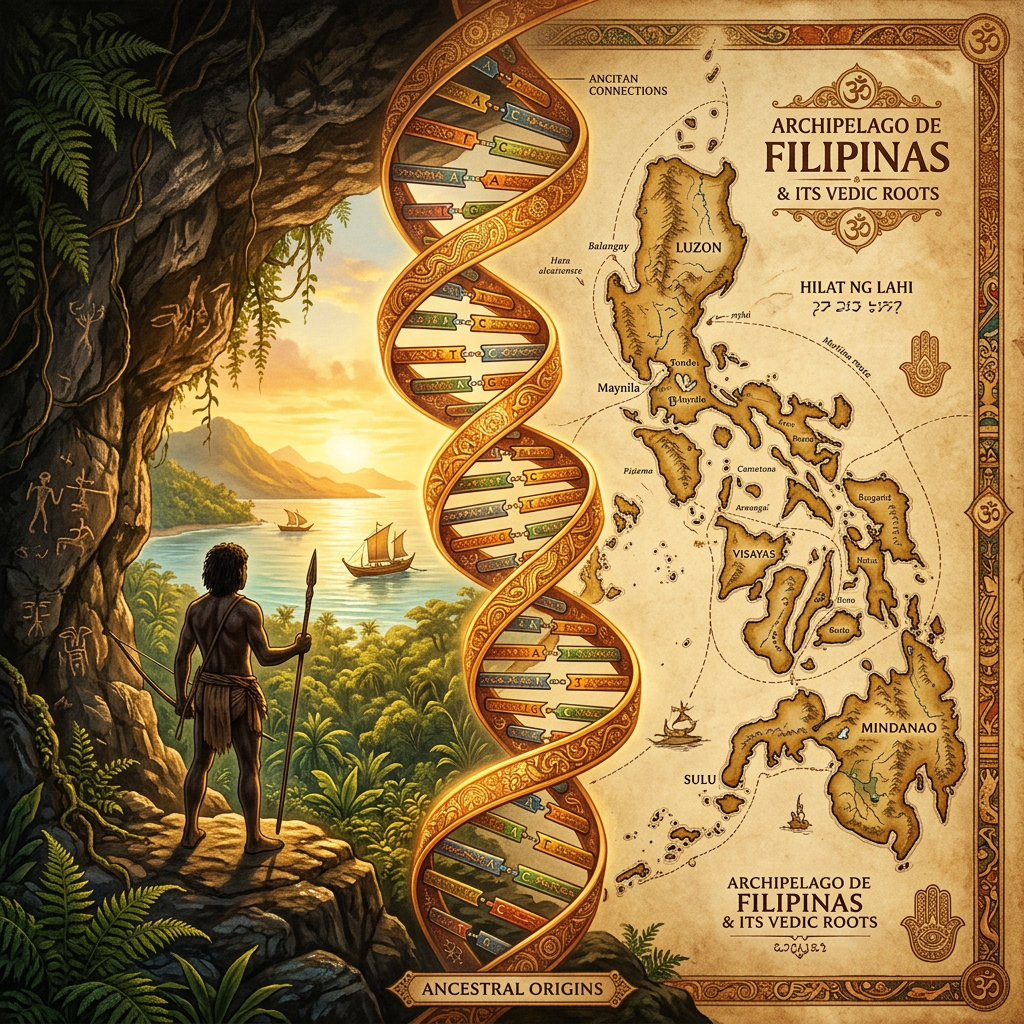
A breakthrough study published in the Philippine Science Journal has successfully sequenced the genome of a 35,000-year-old individual found in the Tabon Caves of Palawan. The research indicates that these early inhabitants possessed a unique genetic signature showing rapid adaptation to the tropical rainforest environment, including genes associated with height reduction and efficient metabolism of forest-specific flora. This is the oldest human DNA ever sequenced from the region.
The study also uncovered evidence of a previously unknown "Ghost Population" that contributed to the genetic makeup of early Southeast Asians, distinct from the waves of migration that led to the later Austronesian expansion. This suggests a much more complex mosaic of human habitation in the archipelago during the late Pleistocene than the current 'Out of Taiwan' model accounts for.
Anthropologists believe this data will redefine our understanding of how early humans navigated and settled the islands of Sundaland. The project was a landmark collaboration between the National Museum of the Philippines and international genomic laboratories, utilizing new techniques to extract viable DNA from highly degraded remains found in humid tropical climates.