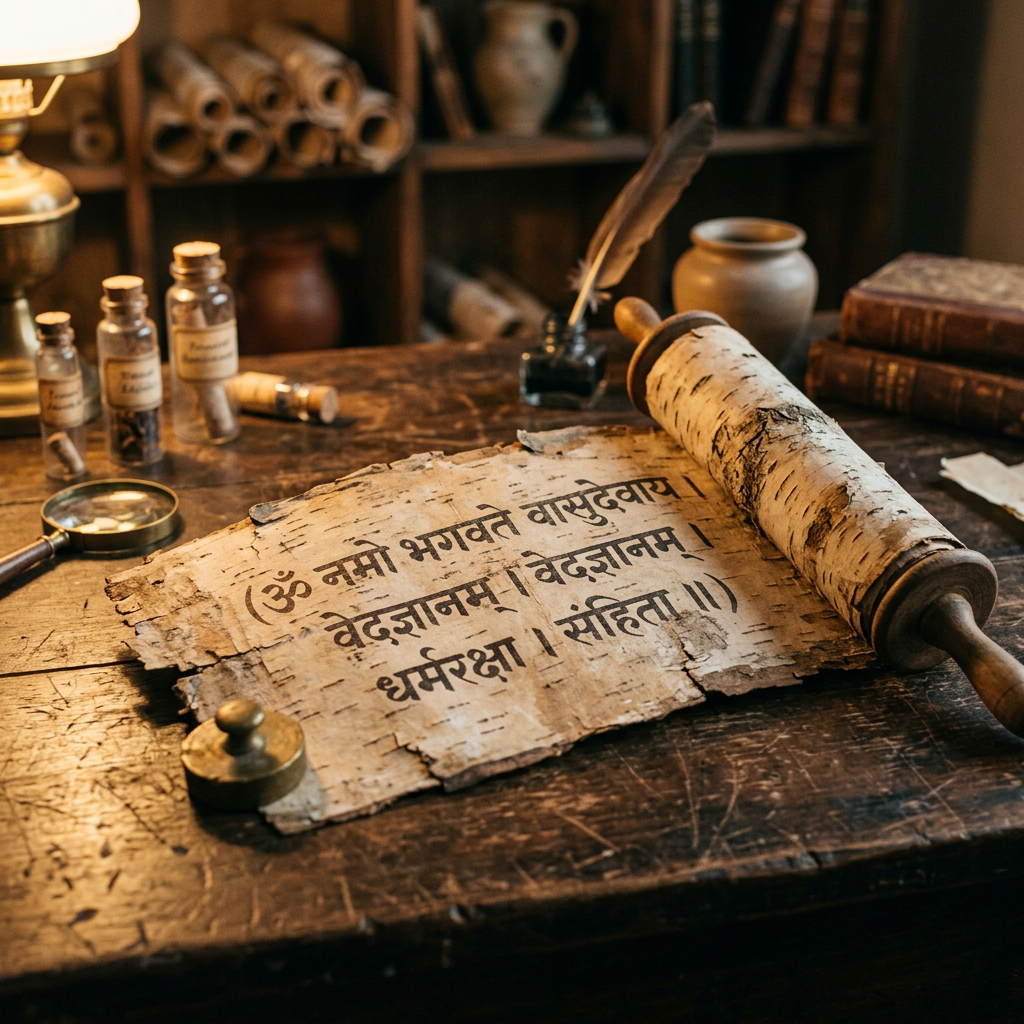
In a remote, high-altitude cave in the Pamir Mountains of Tajikistan, explorers have discovered a sealed cache of over 120 birch-bark manuscripts. Written in a transitional Gupta script, the collection includes a previously unknown Jataka tale (stories of the Buddha's past lives) and detailed commercial ledgers belonging to a Buddhist-Sogdian merchant guild.
The dry, frigid atmosphere of the cave preserved the delicate bark for over 1,500 years. One manuscript, titled the 'Kanchana-Giri Jataka', describes a pilgrimage to a 'Golden Mountain' in the North, while the trade ledgers list transactions involving saffron, musk, and lapis lazuli between Kashmir and the Fergana Valley. This confirms the existence of a robust 'Saffron Road' that operated as a vital branch of the Silk Road.
Linguistic analysis of the texts suggests a unique hybrid of Sanskrit and local Khotanese dialects, highlighting the fluid cultural exchange occurring at the crossroads of Central and South Asia. The discovery is being hailed as the most significant find of Buddhist literature since the Gilgit Manuscripts.