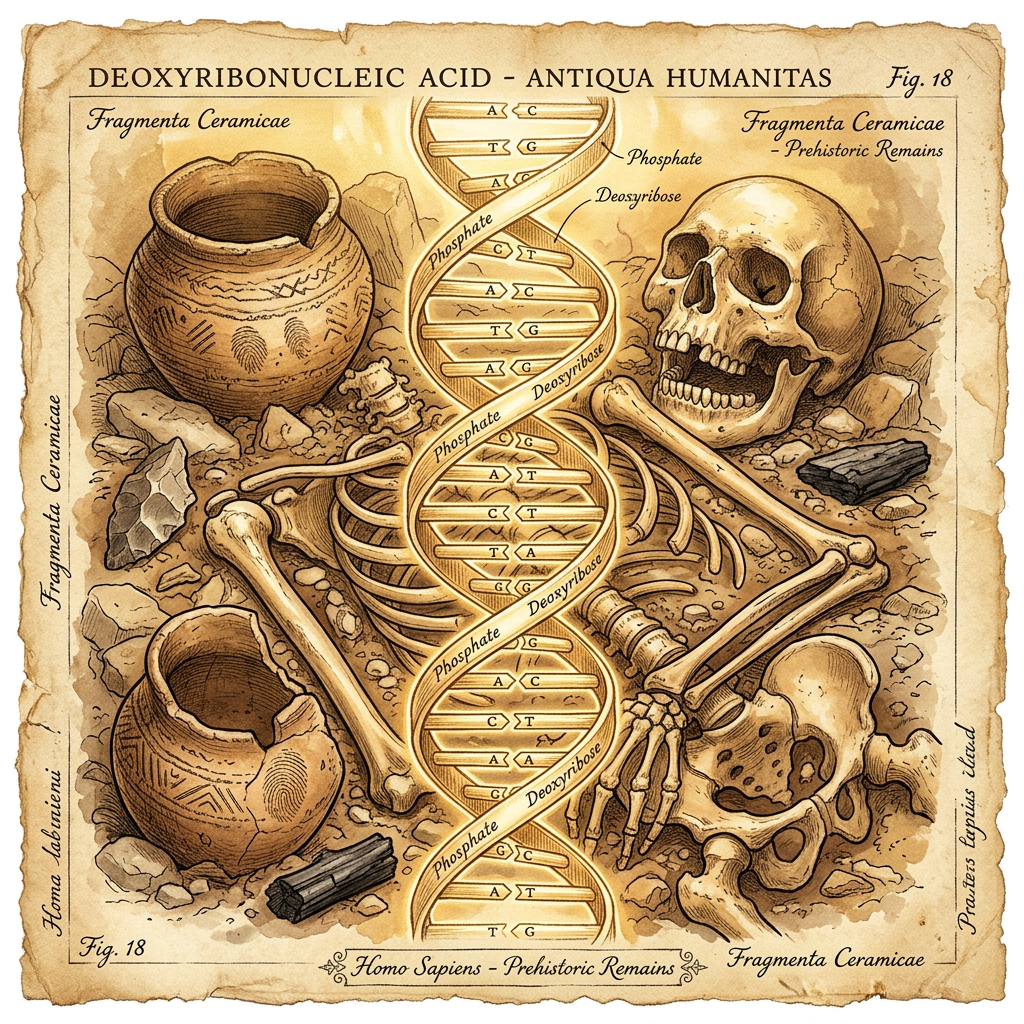
A groundbreaking paleogenomic study published this week has identified the earliest known genetic markers for lactose tolerance in human remains found in the Levant. The analysis of 10,000-year-old DNA suggests that the ability to digest milk emerged much earlier than previously thought, coinciding with the very first experiments in animal domestication.
Researchers state that this genetic adaptation provided a significant survival advantage for early pastoralist communities. The study challenges previous timelines that placed the widespread emergence of the lactase persistence trait during the later Bronze Age migrations.