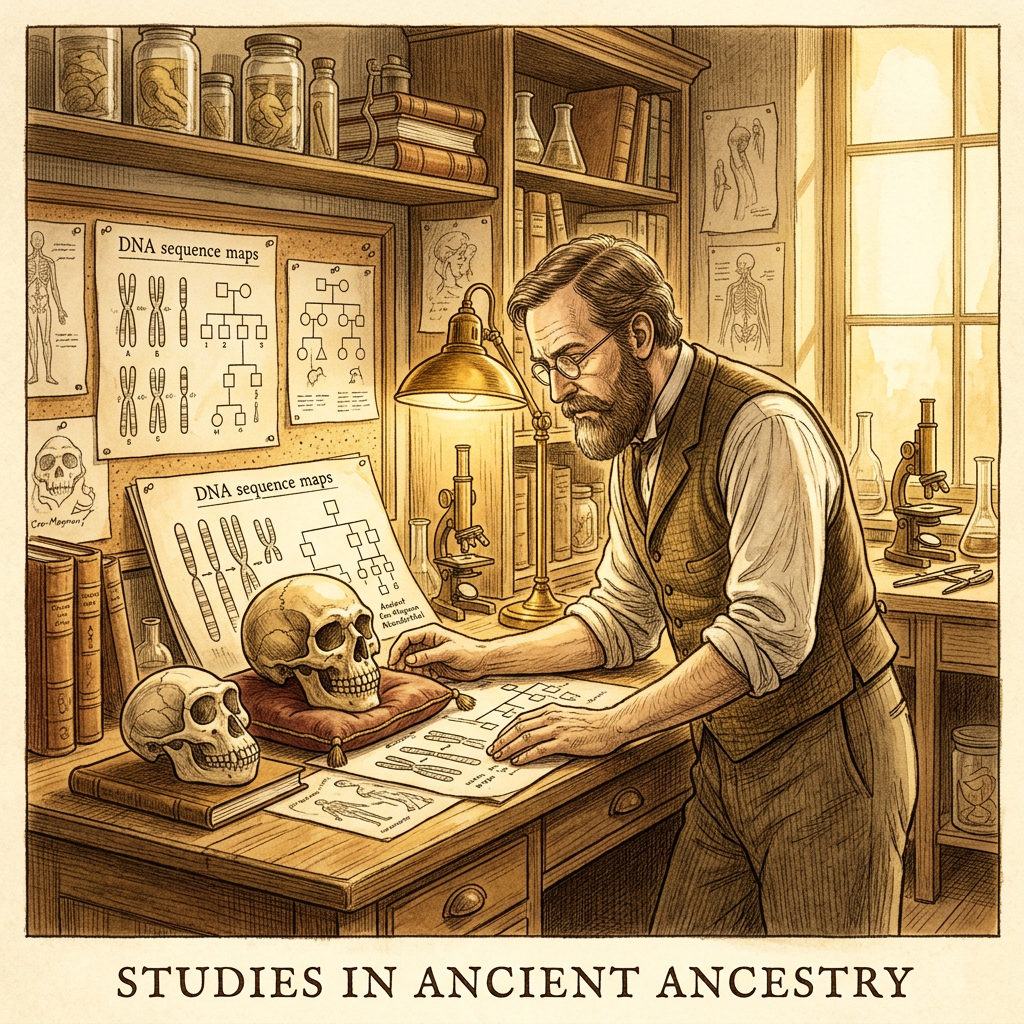
A new genomic study published by a consortium of South Asian universities has analyzed the DNA of individuals buried in the Kurram Valley (near the India-Afghanistan border) around 3000 BCE. The results show a high degree of genetic admixture between the hunter-gatherers of the Indus Valley and pastoralist groups from the Iranian plateau.
The study suggests that the Kurram Valley served as a major corridor for gene flow and cultural exchange at the very dawn of the Bronze Age. This genetic bridge explains the rapid spread of agricultural techniques and metallurgy across the western borders of the ancient Indian civilization. The research confirms that these border populations were highly mobile and cosmopolitan from a very early period.