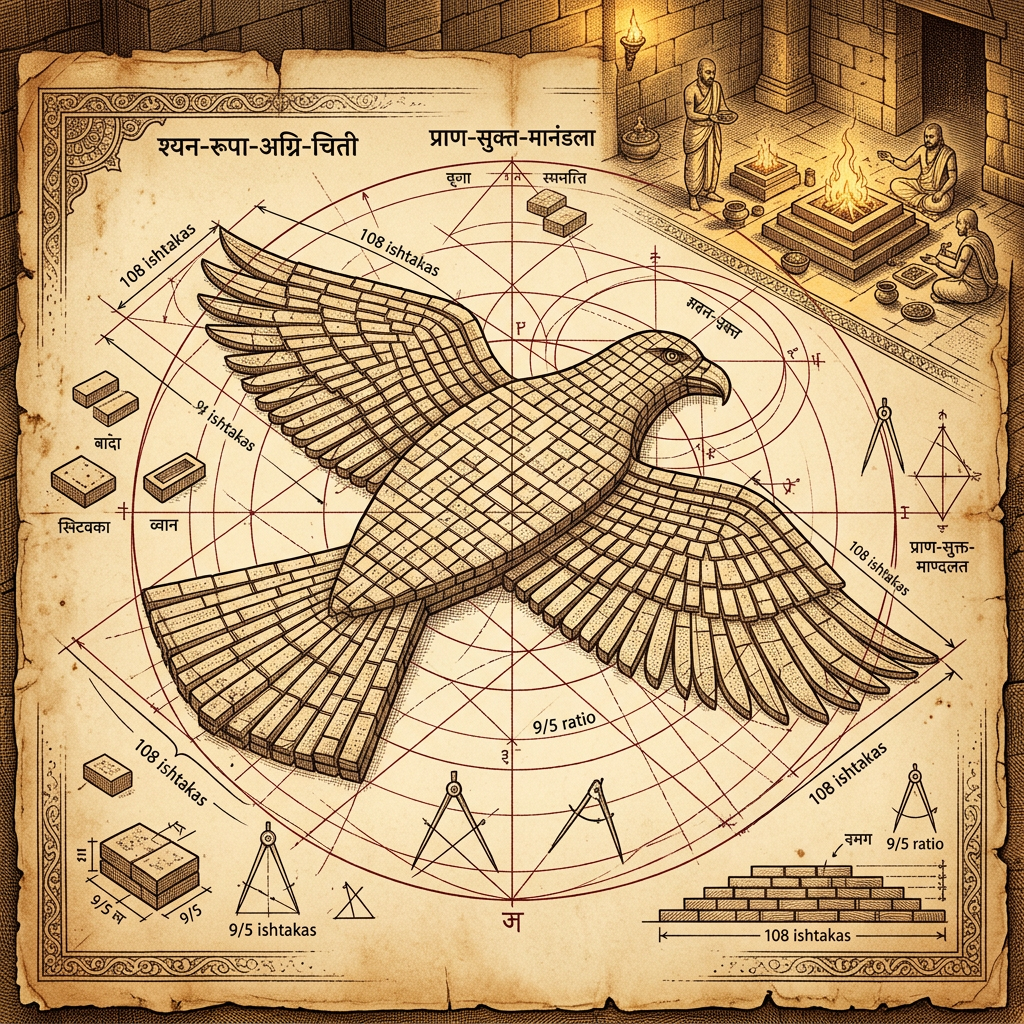
A mathematical study of Vedic fire altars, or Kundas, has demonstrated that practitioners as early as 1000 BCE were using sophisticated geometric transformations to square the circle. The analysis, based on measurements from several North Indian sites, shows that the altar designs achieved a remarkably low margin of error for their time.
The study suggests that these geometric problems were not merely decorative but were essential to the efficacy of the ritual, as the area of the altar had to remain constant even as its shape changed between rituals. This reinforces the view that the Sulba Sutras represent some of the world's earliest applied mathematics.