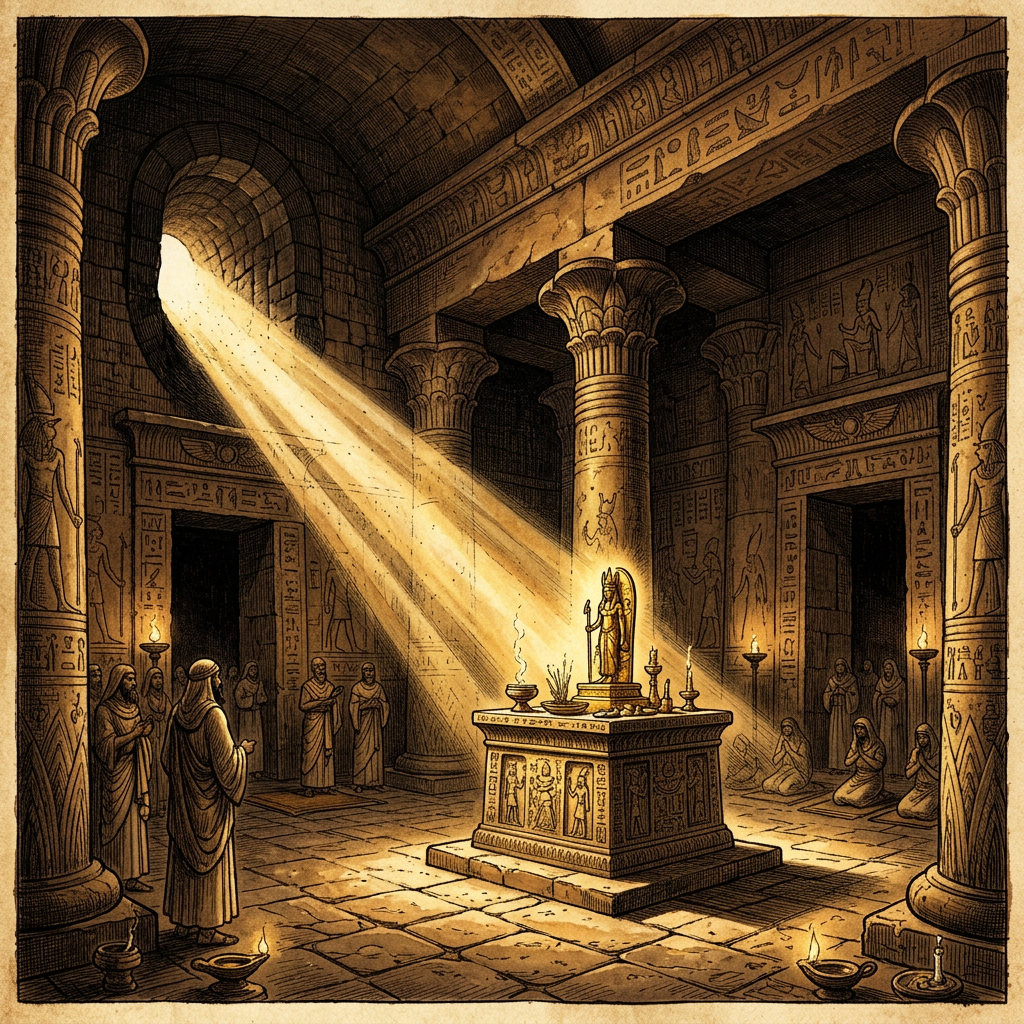
The Archaeological Survey of India (ASI) restoration of a lost 9th-century temple in Gujarat's Patan district has led to a remarkable discovery. While stabilizing the foundation of the Rudra Mahalaya style structure, engineers found a network of subterranean chambers and tunnels designed to channel sunlight directly into the inner sanctum during the Uttarayana (Winter Solstice).
These tunnels were lined with polished schist stones to maximize light reflection. This architectural feature suggests that the architects of the Solanki period had mastered advanced optics and light-geometry to ensure that the primary deity would be 'anointed' by the sun's rays at precise moments of the solar year.