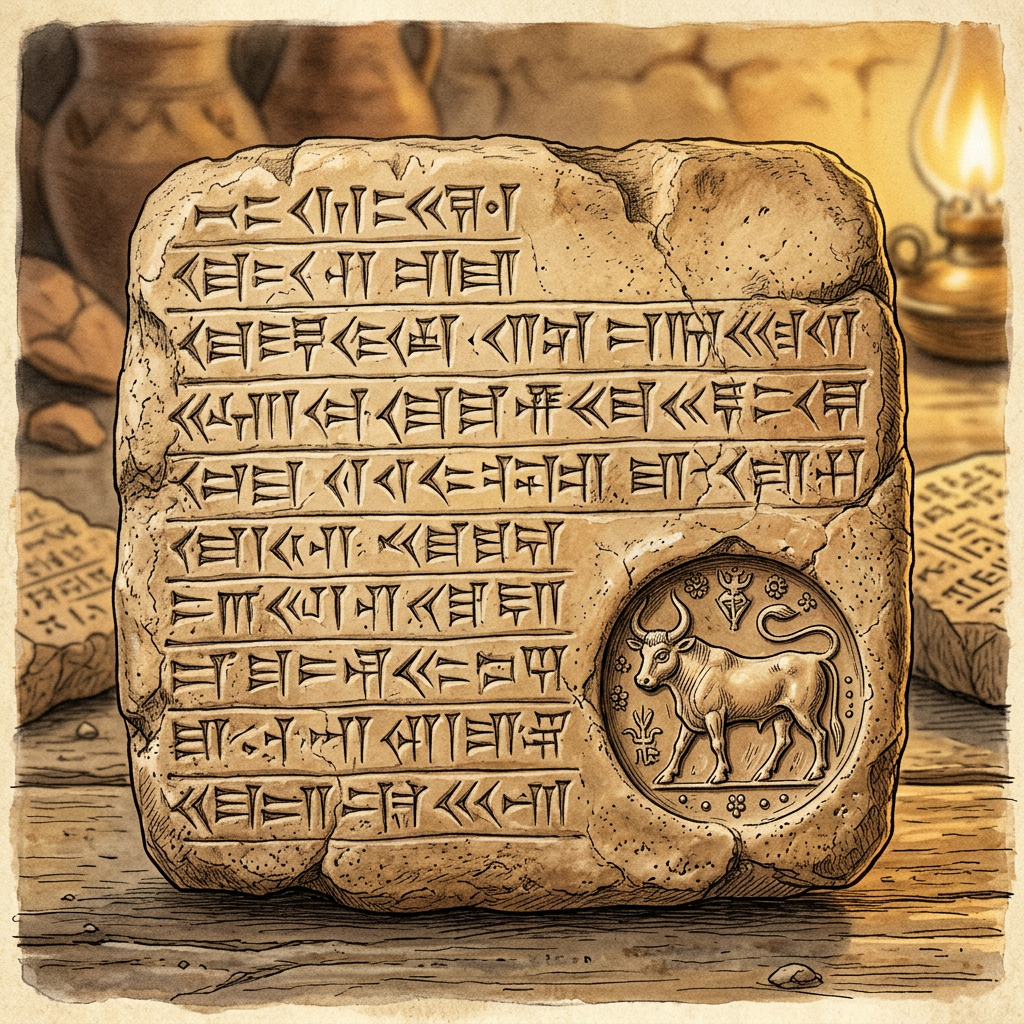
New excavations in the ancient Sumerian city of Umma (modern-day Iraq) have unearthed a clay tablet that records a major state-level trade agreement with the land of Meluhha (the Indus Valley). The 4,000-year-old text details the exchange of silver and frankincense from Mesopotamia for finished Lapis Lazuli jewelry and worked ivory from the East.
The contract specifically mentions the 'Seal of the King of Meluhha,' providing further evidence that the Indus Valley Civilization had a centralized administrative authority recognized by its Mesopotamian peers. Linguistic analysis of the names in the tablet suggests a high degree of bilingualism among the merchant classes of the two civilizations.