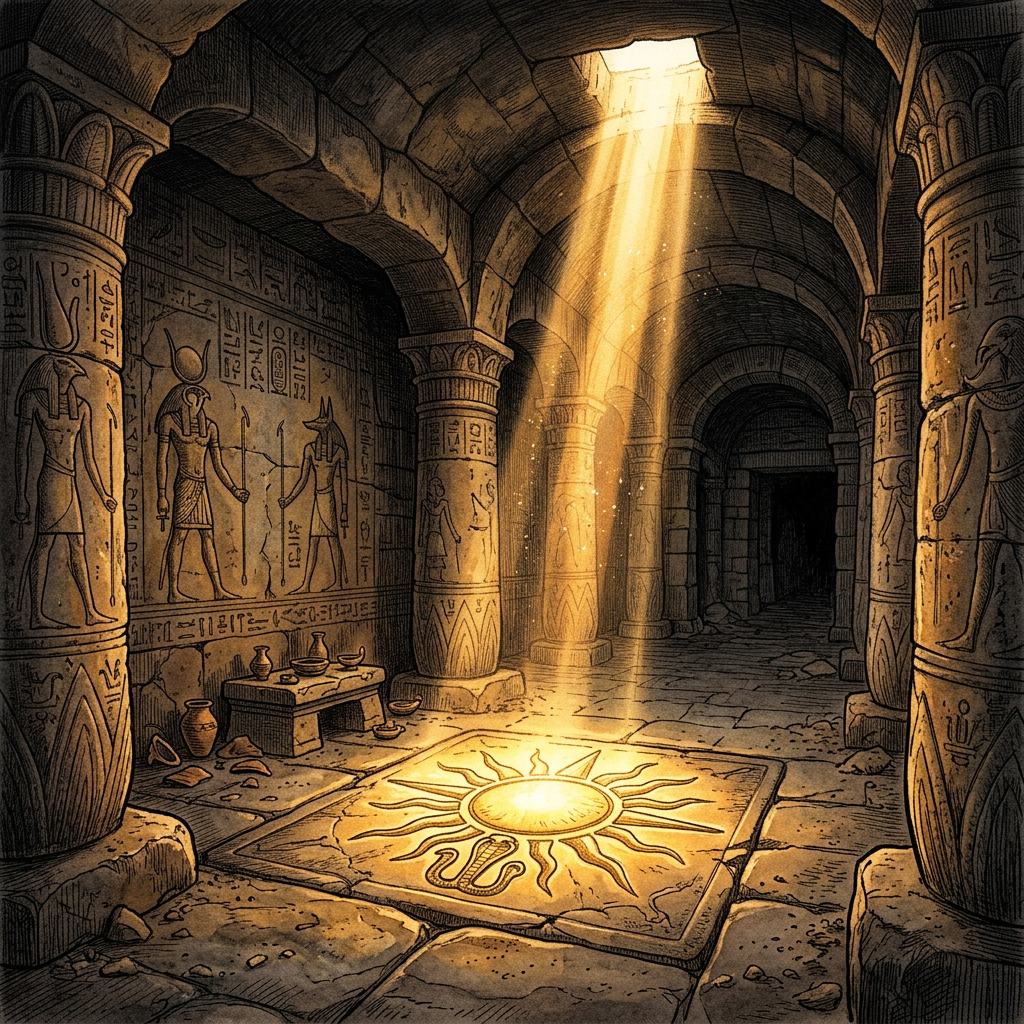
During the ongoing restoration of a 10th-century temple in the Raichur district of Karnataka, engineers discovered a series of subterranean chambers designed for astronomical calibration. These rooms contain monolithic stone pillars with precise vertical slits that allow a single beam of sunlight to illuminate specific zodiacal icons on the floor during the transition of solar months.
Experts in Sanatan architecture believe these chambers served as a 'Solar Clock' for the temple priests to calculate the Hindu calendar (Panchang) with mathematical accuracy. The Kalyani Chalukya style masonry, characterized by intricate lathe-turned pillars, has remained remarkably intact despite centuries of neglect, showcasing the advanced engineering of the medieval Deccan period.