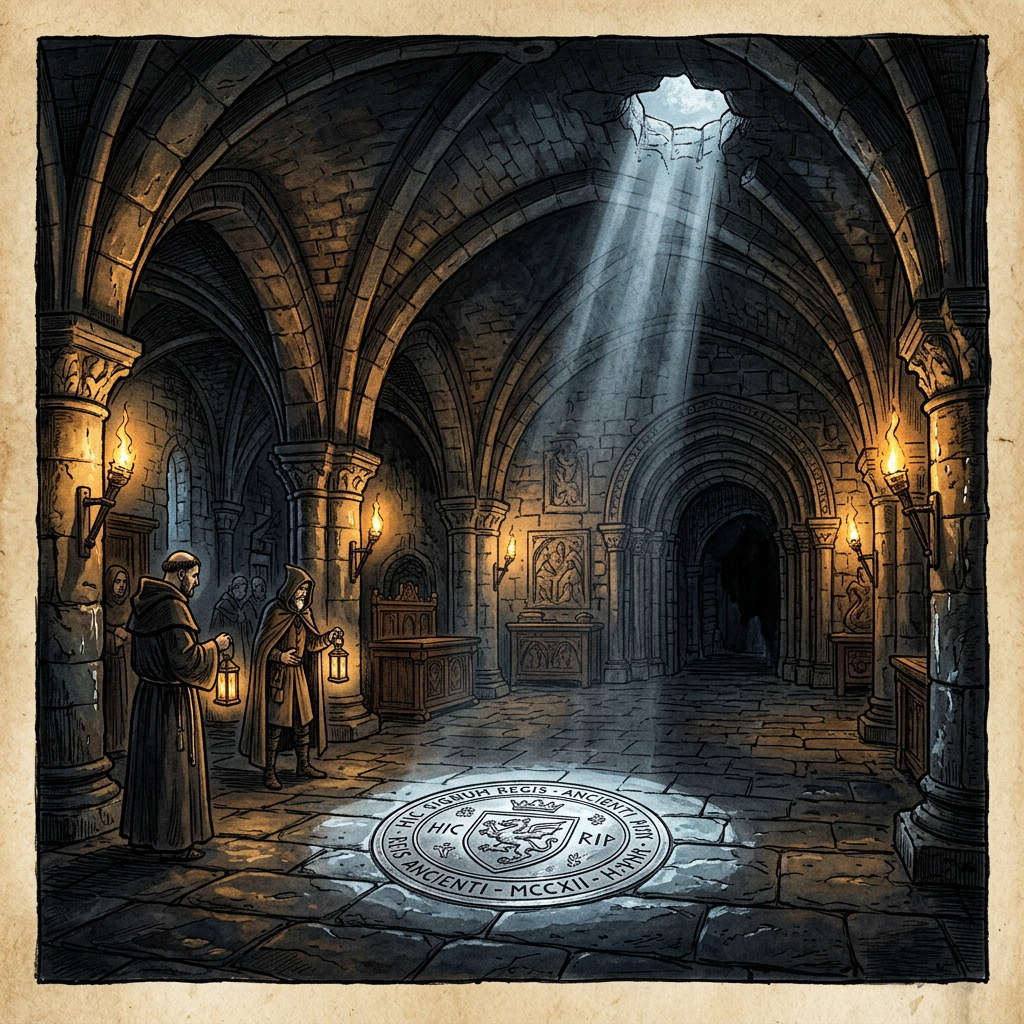
During the structural restoration of a neglected Sun Temple in rural Karnataka, conservationists discovered a hidden subterranean hall dedicated to the tracking of lunar nodes (Rahu and Ketu). The hall features a series of narrow apertures that allow moonlight to illuminate specific silver-inlaid markers on the floor only during lunar eclipses.
The architecture is attributed to the Western Ganga dynasty and demonstrates a sophisticated synthesis of solar and lunar horology. This discovery challenges the previous assumption that such temples were exclusively dedicated to solar observations, revealing a more complex astronomical purpose behind early medieval Sanatan temple layouts.