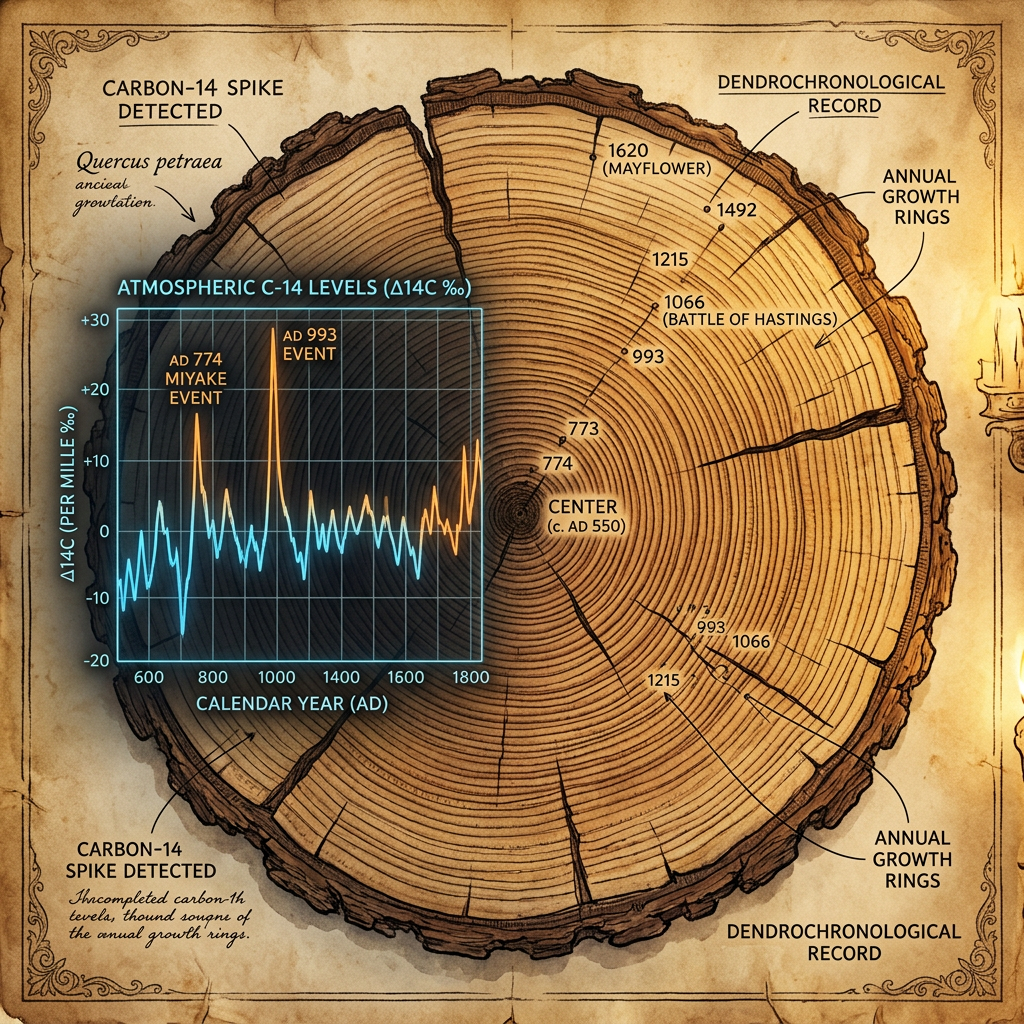
A major breakthrough in chronometric dating has been achieved with the release of the 'SHCal26' calibration curve. This new dataset, published in the journal Radiocarbon, incorporates high-resolution tree-ring data from South African yellowwoods and New Zealand kauri trees. The refined curve significantly reduces the margin of error for samples dating between 500 BCE and 500 CE.
Archaeologists are already using the new methodology to re-date several controversial Iron Age sites in Sub-Saharan Africa. Initial results suggest that the expansion of Bantu-speaking populations into Southern Africa occurred nearly a century earlier than previously estimated. This technical advancement provides a much-needed correction for the inter-hemispheric offset that has long plagued Southern Hemisphere archaeology.