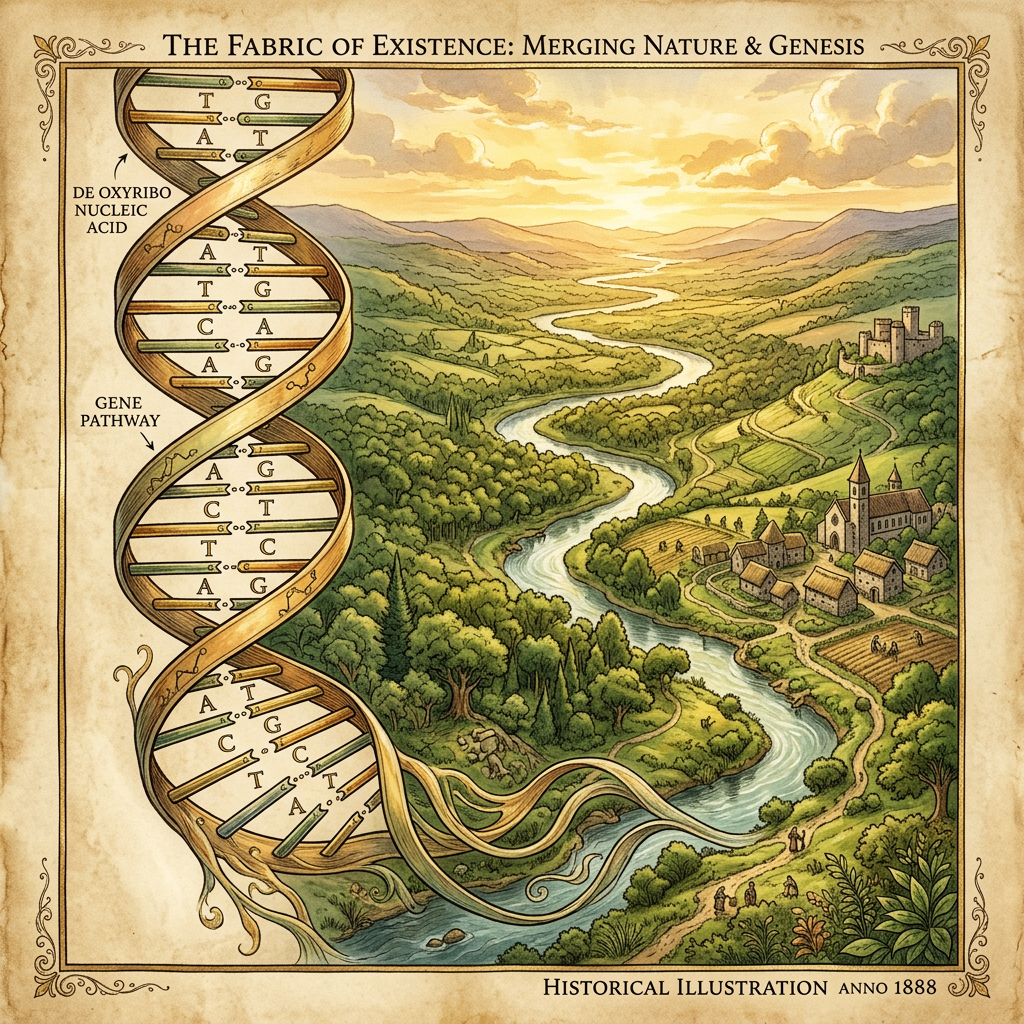
New research published in Science Advances has successfully sequenced the nuclear DNA of individuals from 6,000-year-old burial sites in the Narmada Valley. The study, conducted by an international team of paleogenomicists, identified a unique cluster of genetic markers associated with heightened immune responses to water-borne pathogens, suggesting a rapid evolutionary adaptation as early hunter-gatherers transitioned into settled agricultural communities in the river basin.
The data also confirms a significant genetic continuity between these Neolithic inhabitants and modern indigenous populations of central India, providing evidence against large-scale population replacements in this specific region. This anthropological breakthrough offers a new timeline for how early human settlements in South Asia managed the biological pressures of the emerging monsoon-driven environment.