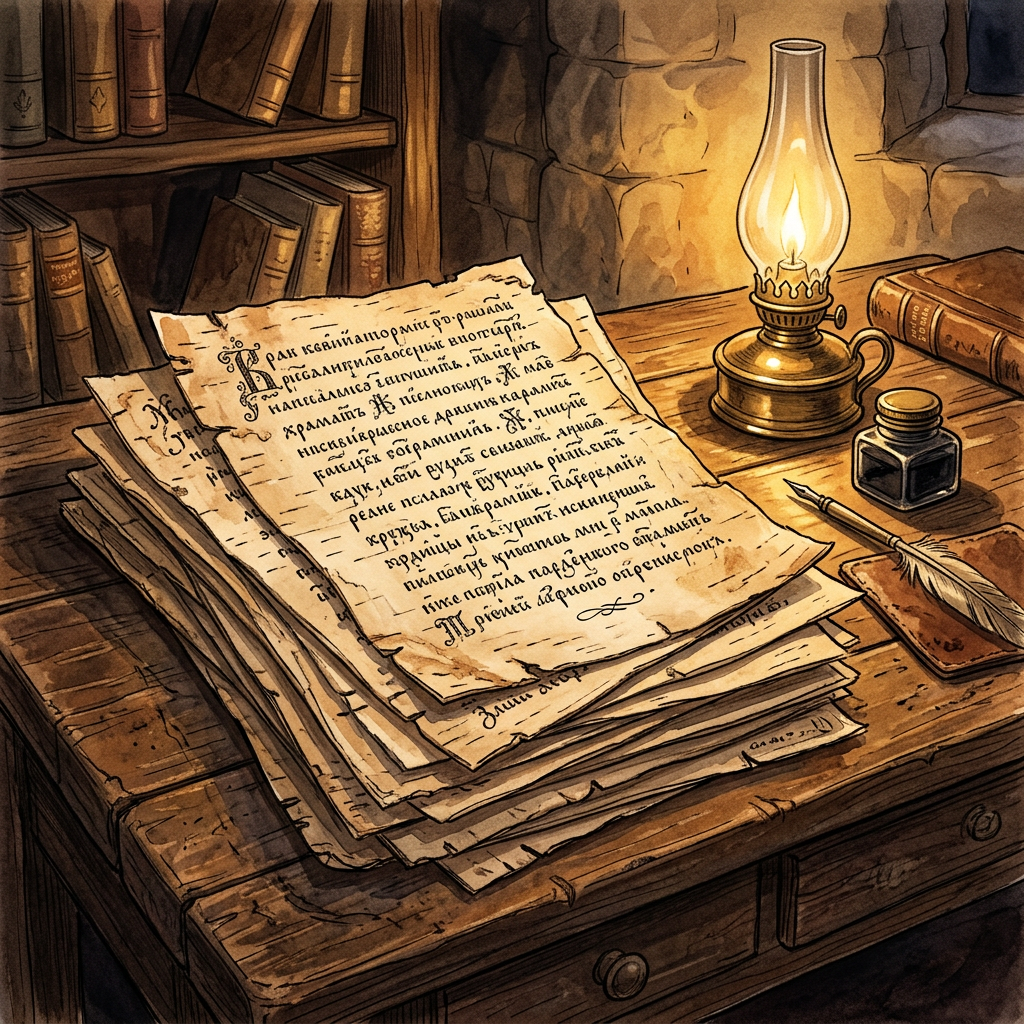
A well-preserved birch-bark manuscript found in a remote village in the Kamrup district of Assam has been identified as a treatise on the philosophy of pure consciousness. Dating to the 12th century, the text bridges the gap between traditional Advaita Vedanta and the emerging philosophical schools of Non-Dual Tantra in Eastern India.
The manuscript, written in an early form of the Assamese script, posits that the entire universe is a playful manifestation (Lila) of a single, self-luminous awareness. Experts believe this find is crucial for understanding the intellectual history of the Northeast and the regional developments of wisdom traditions that influenced both Hinduism and Buddhism.