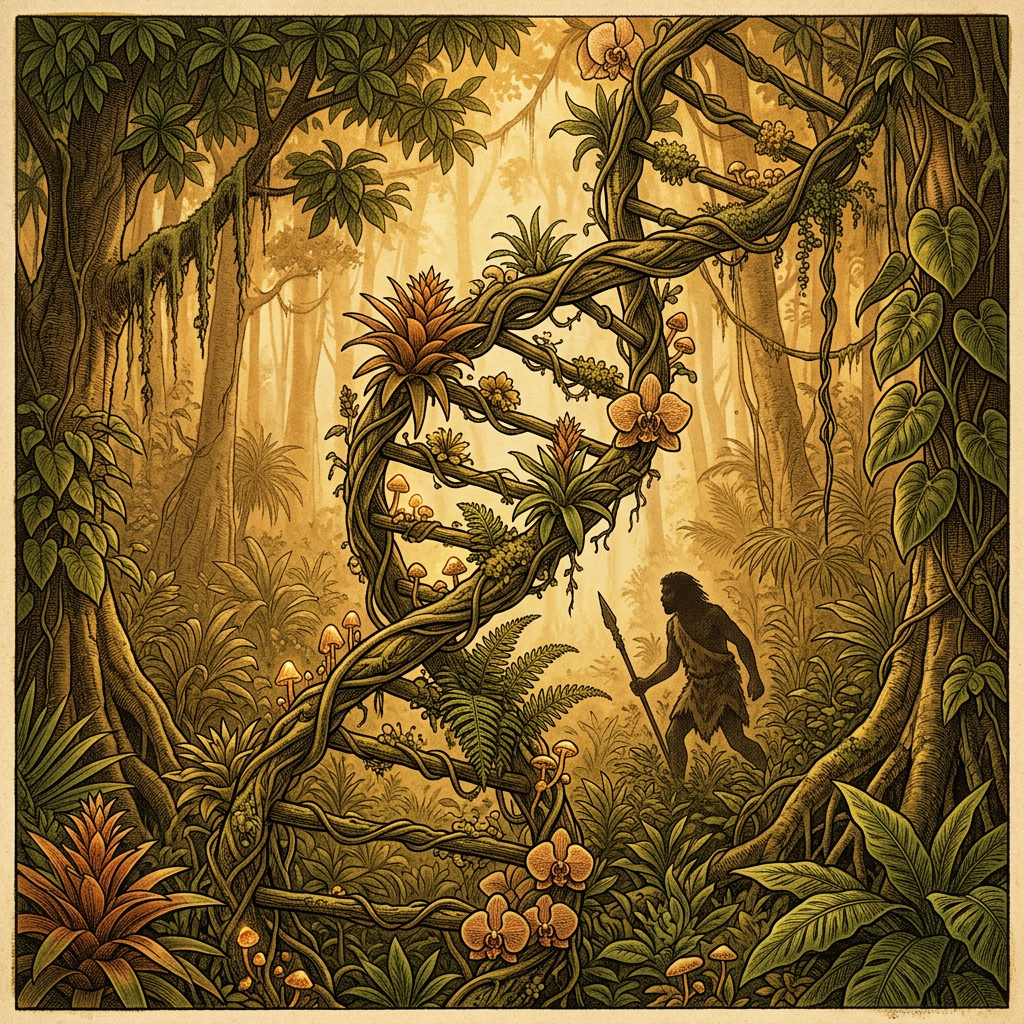
In a major breakthrough for paleogenomics, researchers have successfully sequenced DNA from human remains found in the dense forest tracts of the Gondwana region. The study, appearing in Cell Reports, identifies specific mutations in the ATP7B gene that provided early resistance to tropical malaria, marking the oldest known instance of localized genetic adaptation to forest pathogens in India.
The findings suggest that these ancient hunter-gatherer populations developed biological defenses against vector-borne diseases as they transitioned into deeper tropical ecosystems. This research provides a new window into how prehistoric human health was shaped by the unique ecological pressures of the Indian subcontinent's central highlands.