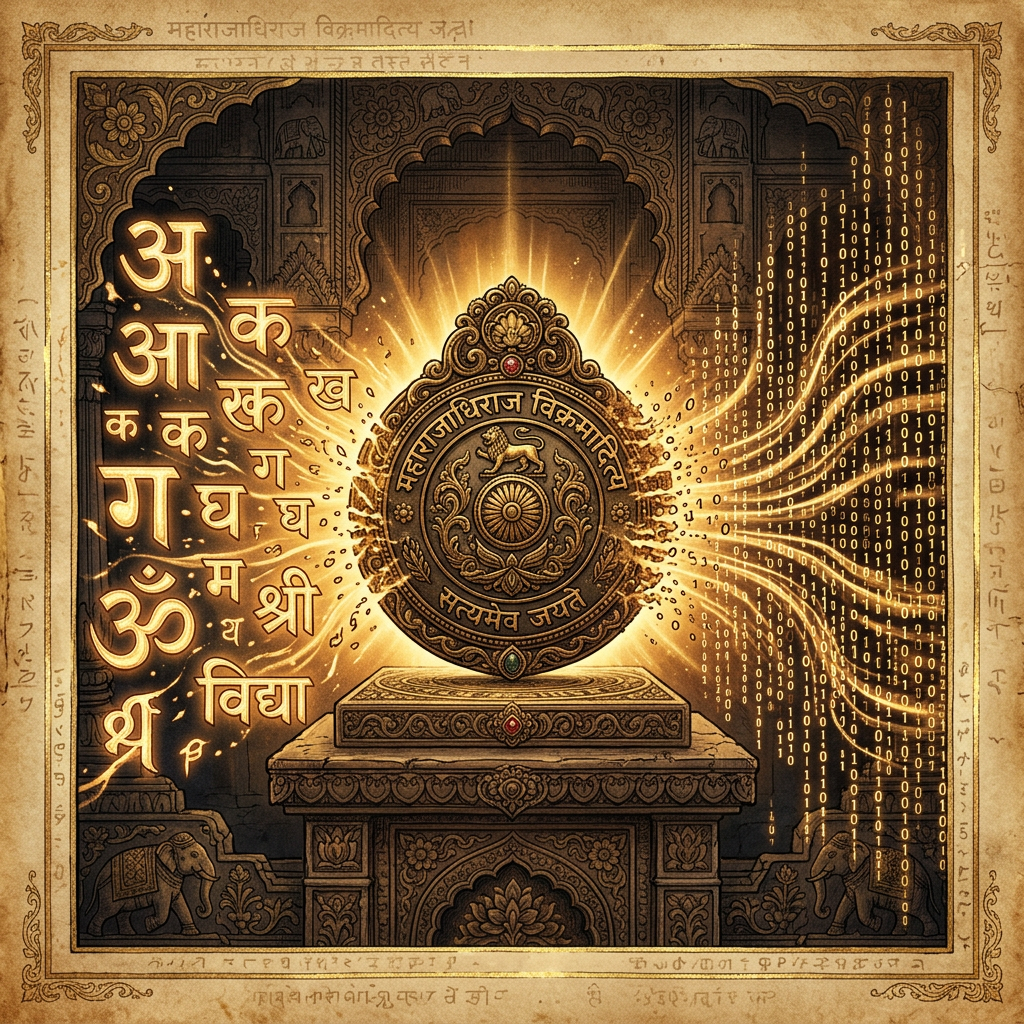
Scholars specializing in Ancient Information Theory have identified the use of complex recursive algorithms in the Lipyantara, an 11th-century Sanskrit manual on secret writing. The research, published in the Journal of Coded History, demonstrates that medieval Indian mathematicians utilized binary-like combinatorial structures to create multi-layered encryption for diplomatic correspondence.
The study highlights a sophisticated understanding of "base-2" logic and algorithmic iteration, used to permute the Sanskrit alphabet in patterns that mimic modern cryptographic functions. This discovery suggests that the mathematical foundations for computer science were being actively explored through the lens of linguistics and statecraft in medieval India.