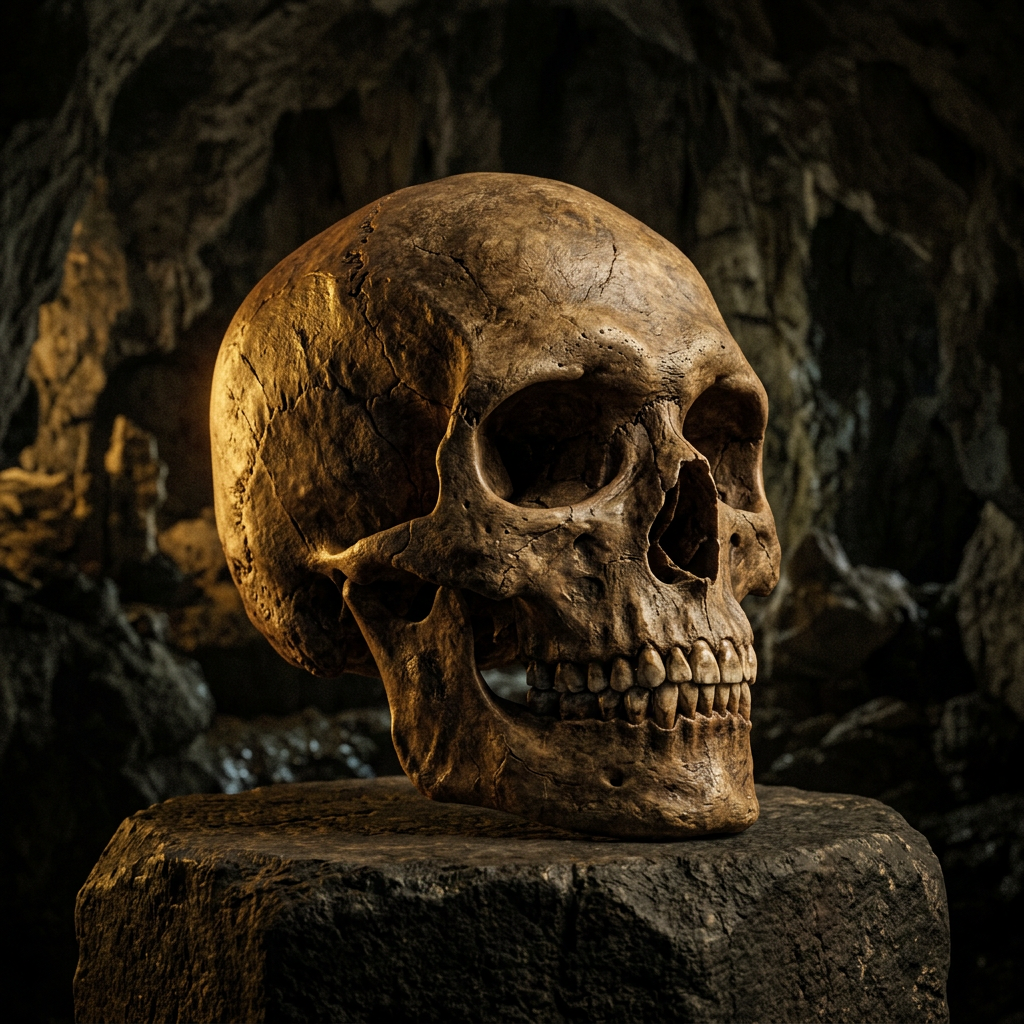
In a major publication in Science, paleogenomicists have completed a deep-sequencing analysis of the Peștera cu Oase remains from Romania. The study reveals that this individual belonged to a population that carried nearly 10% Neanderthal DNA, the highest ever recorded in a modern human, indicating interbreeding occurred just four to six generations prior.
Crucially, the research identifies that this specific lineage did not contribute to the gene pool of present-day Europeans, representing a 'ghost' population of early explorers who eventually went extinct. This discovery challenges the linear model of human migration, suggesting that multiple waves of human-Neanderthal hybrids once roamed the European continent before the final expansion of modern lineages.