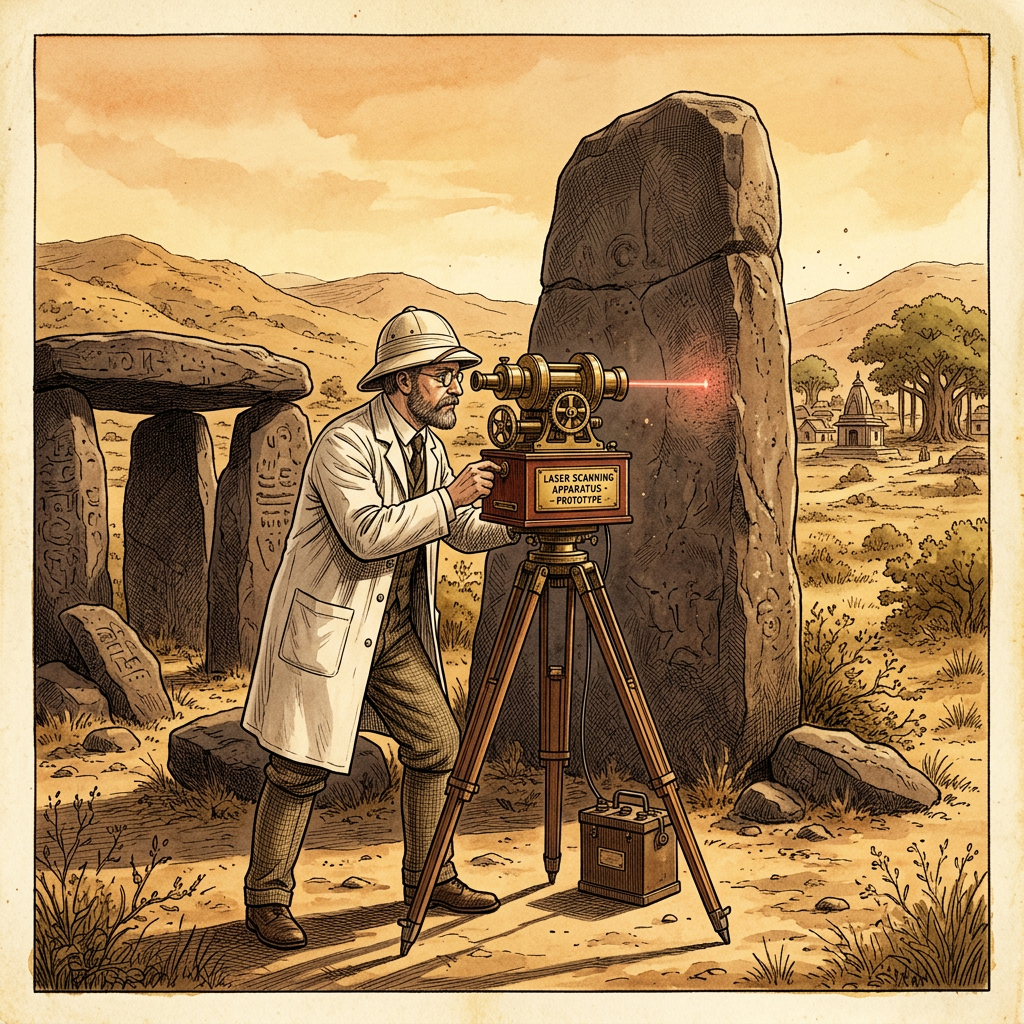
A research team at the Deccan College Post-Graduate and Research Institute has successfully applied a new dating technique to the massive dolmens and menhirs of Southern India. The methodology, known as Cosmogenic Helium-3 surface exposure dating, measures the accumulation of rare isotopes in minerals caused by cosmic rays. Unlike traditional radiocarbon dating, which requires organic matter, this technique dates the exact moment the stone surfaces were quarried and exposed to the atmosphere.
The results, published in the Journal of Archaeological Science, suggest that several major megalithic sites in the Deccan were constructed as early as 2200 BCE, nearly 500 years earlier than previously estimated. This shift in chronology suggests a much longer period of transition between the Neolithic and Iron Age in India and implies that the engineering required to move these multi-ton stones was developed by localized sedentary farming communities far earlier than historical records suggested.