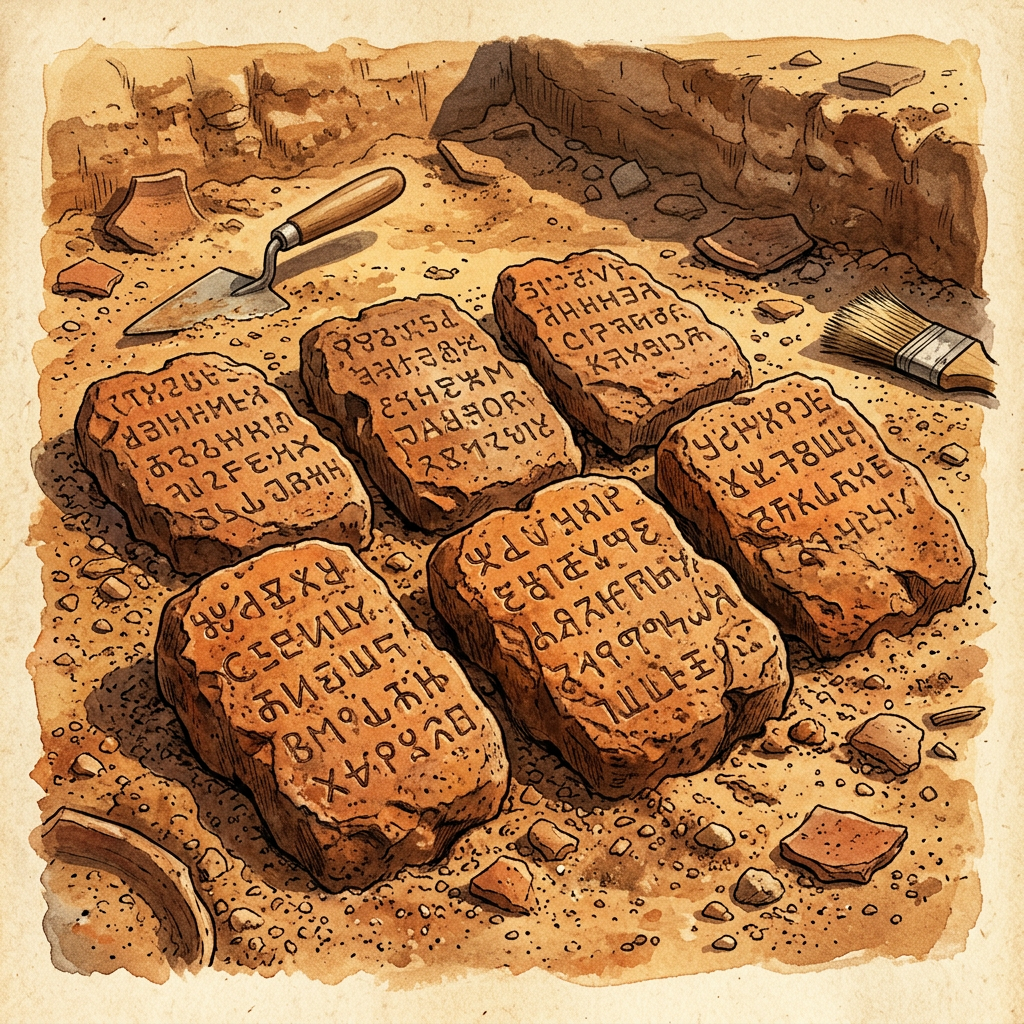
Archaeologists excavating a site near Kurukshetra have unearthed a series of inscribed terracotta tablets dating back to the 4th century BCE. The inscriptions, written in an early form of Brahmi, detail a sophisticated ethical code centered on Dharma as a reciprocal social contract. Unlike later religious texts, these tablets focus on the secular foundations of social harmony and the duties of a ruler to the environment.
This find suggests that the philosophical foundations of Sanatan Dharma were being codified in practical, ethical terms long before the major Mauryan edicts. The tablets contain specific aphorisms regarding 'Rina' (social and environmental debt), indicating a highly developed sense of ecological ethics in ancient northern India.