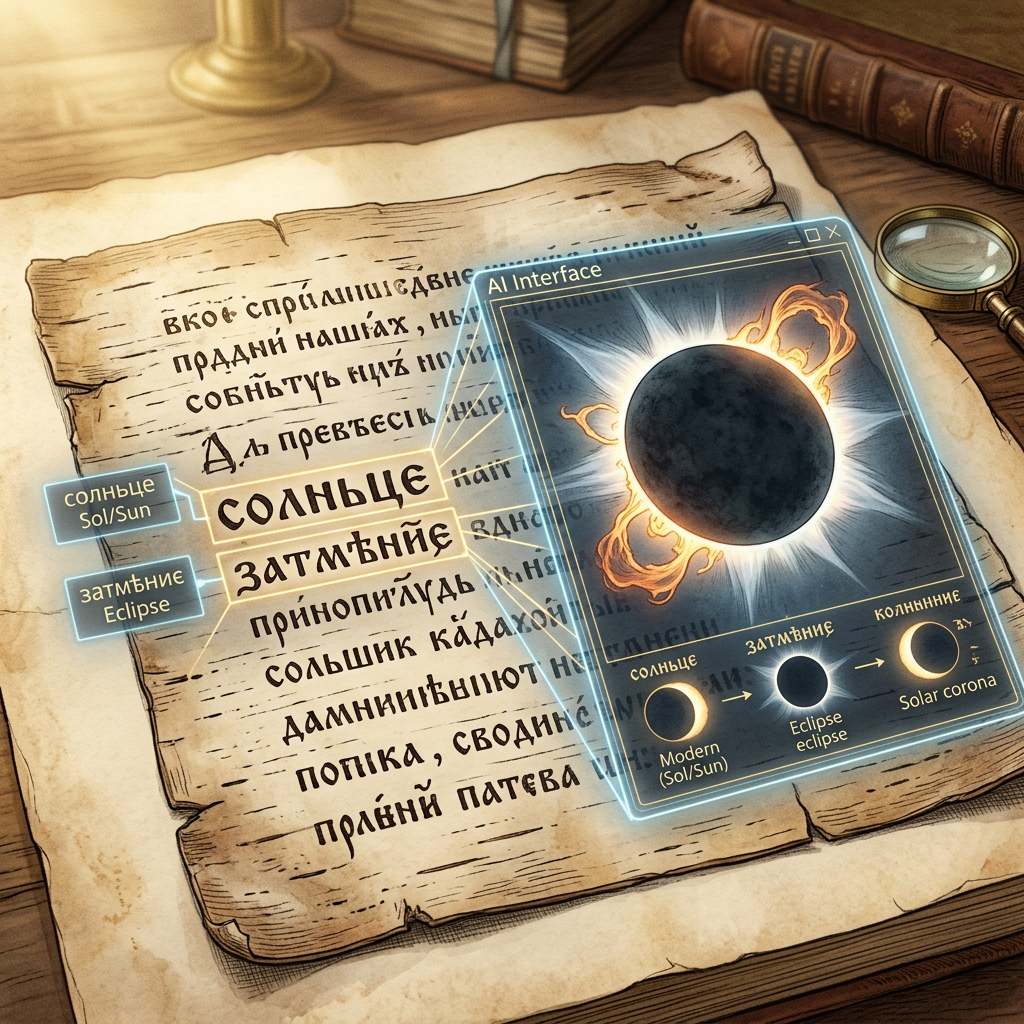
Researchers using advanced neural network models have successfully deciphered several fragmentary manuscripts written in the rare Bhaiksuki script. The documents, recovered from a high-altitude cache in the Zanskar region, contain detailed observations of solar coronas and sunspot activities recorded during the 9th century. These records provide a rare glimpse into the observational rigor of medieval Indian astronomy beyond the standard mathematical texts.
The AI-assisted analysis revealed that the authors of these fragments employed specialized optical filters—likely made of layered mica or tinted glass—to observe the solar surface. The deciphered text also suggests a conceptual understanding of solar cycles, which were used to refine calendars for agricultural and ritualistic timing across the Himalayan belt, marking a major breakthrough in Sanskrit manuscript decipherment.