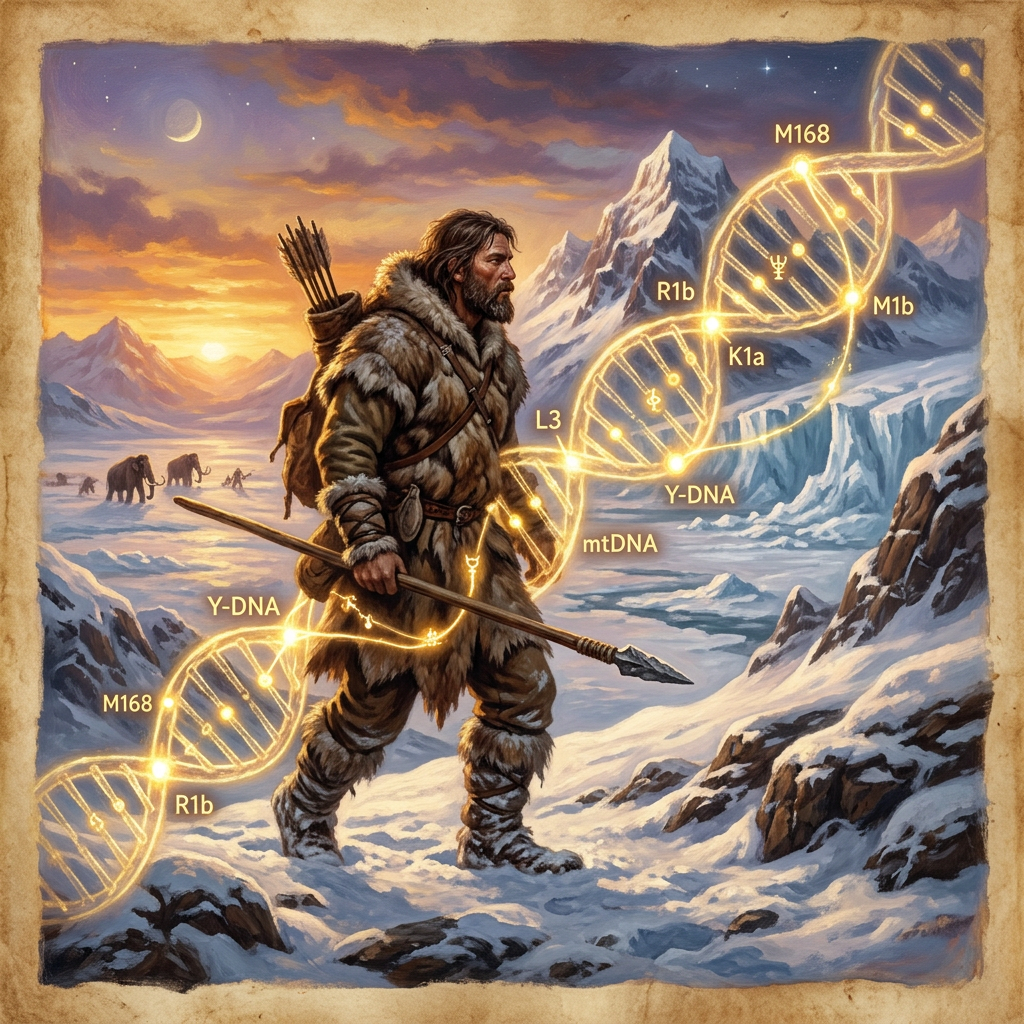
Research appearing in the Journal of Paleogenomics has unveiled the results of a comprehensive DNA analysis of skeletal remains found in the Tanana Valley, Alaska. The study identified a specific genetic variant in the CPT1A gene, which allowed the early Beringian population to thrive on a diet primarily composed of high-fat marine mammals without developing metabolic disorders.
This genetic adaptation, often referred to as the 'Arctic metabolic switch', appears to have emerged shortly after the initial population bottleneck during the Last Glacial Maximum. The findings provide critical insights into how ancient human groups survived the extreme environmental pressures of the Bering Land Bridge before migrating further into the Americas.