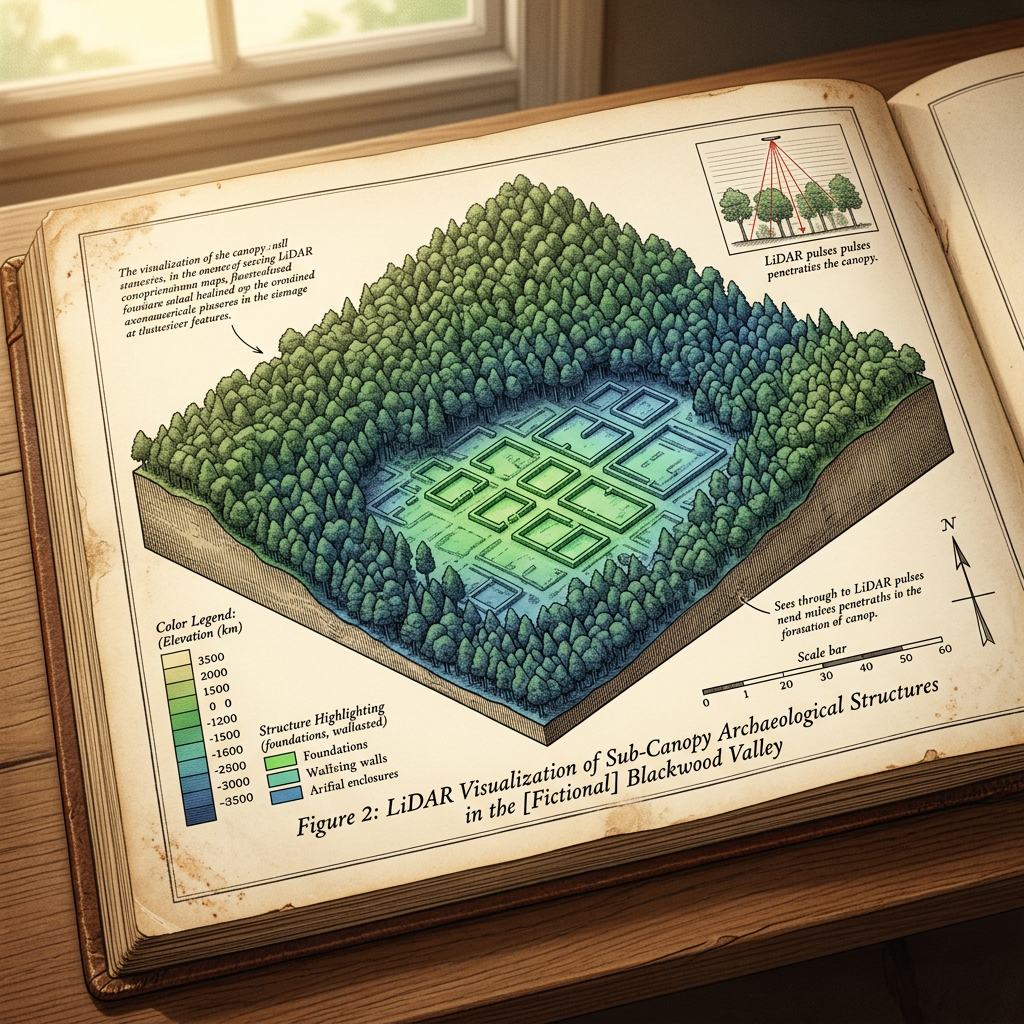
Advanced LiDAR (Light Detection and Ranging) surveys over the remote northern Petén region of Guatemala have identified a sprawling 9th-century industrial landscape dedicated to rubber production. The survey revealed over 400 distinct structures, including large rectangular basins interpreted as latex coagulation tanks and specialized storage vaults situated near ancient ball courts.
This 'rubber city' suggests that the production of balls for the ritual Mesoamerican ballgame and waterproof garments was a state-controlled monopoly of immense scale. The mapping also showed a network of stone-lined canals used to transport raw latex from the surrounding forests directly to the processing centers, demonstrating a level of industrial organization previously unrecognized in Classic Maya civilization.