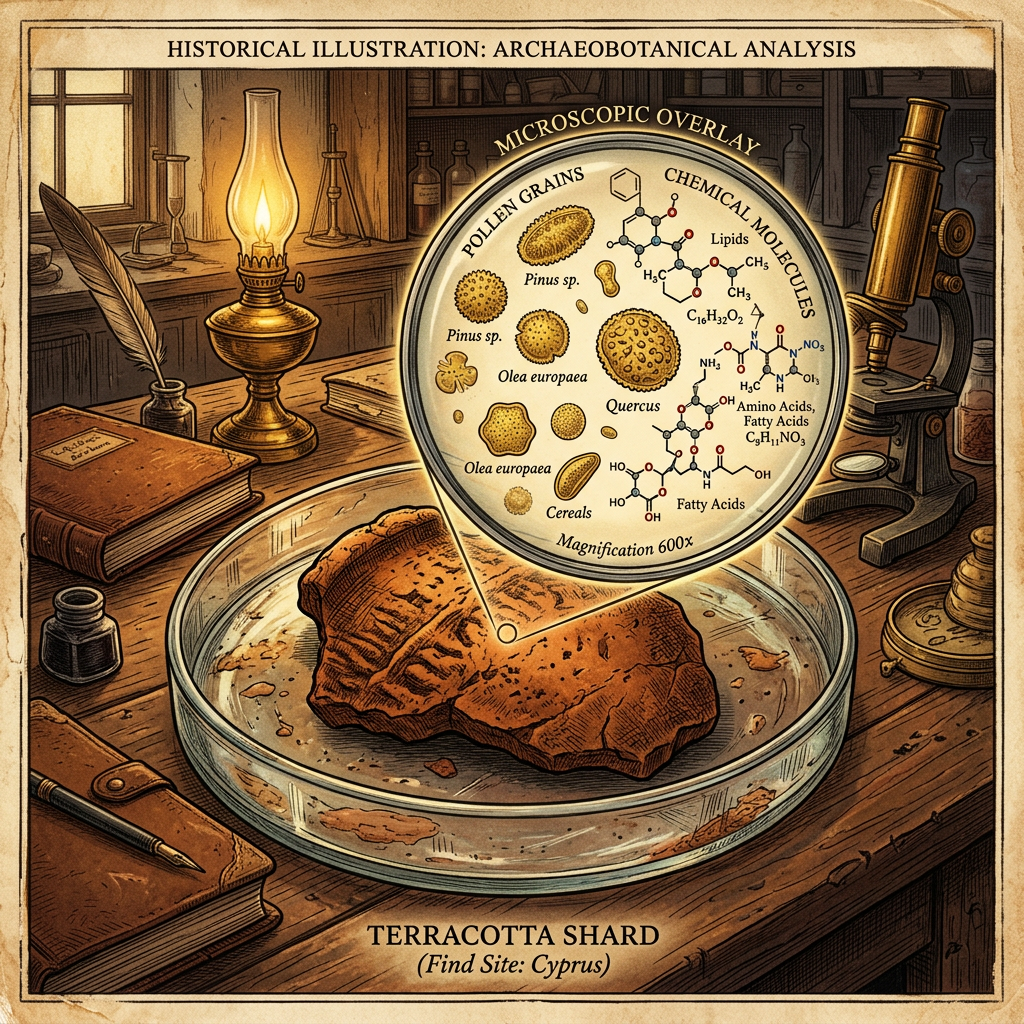
Scientific analysis of organic residues found in Mature Harappan pottery from the Ghaggar-Hakra region has revealed the earliest known evidence of systematic nitrogen-fixing crop cycles. The study, published in World Archaeology Research, utilized nitrogen and carbon isotope signatures to prove that farmers were rotating cereals with specific legumes to maintain soil fertility during a period of increasing aridity.
This research refutes the idea that Harappan agriculture was purely dependent on seasonal flooding. Instead, it suggests a highly managed agricultural strategy that included the use of multi-cropping to buffer against monsoon failures. This find underscores the sophisticated understanding of soil chemistry and sustainable land use practiced by the Indus Valley civilization over 4,000 years ago.