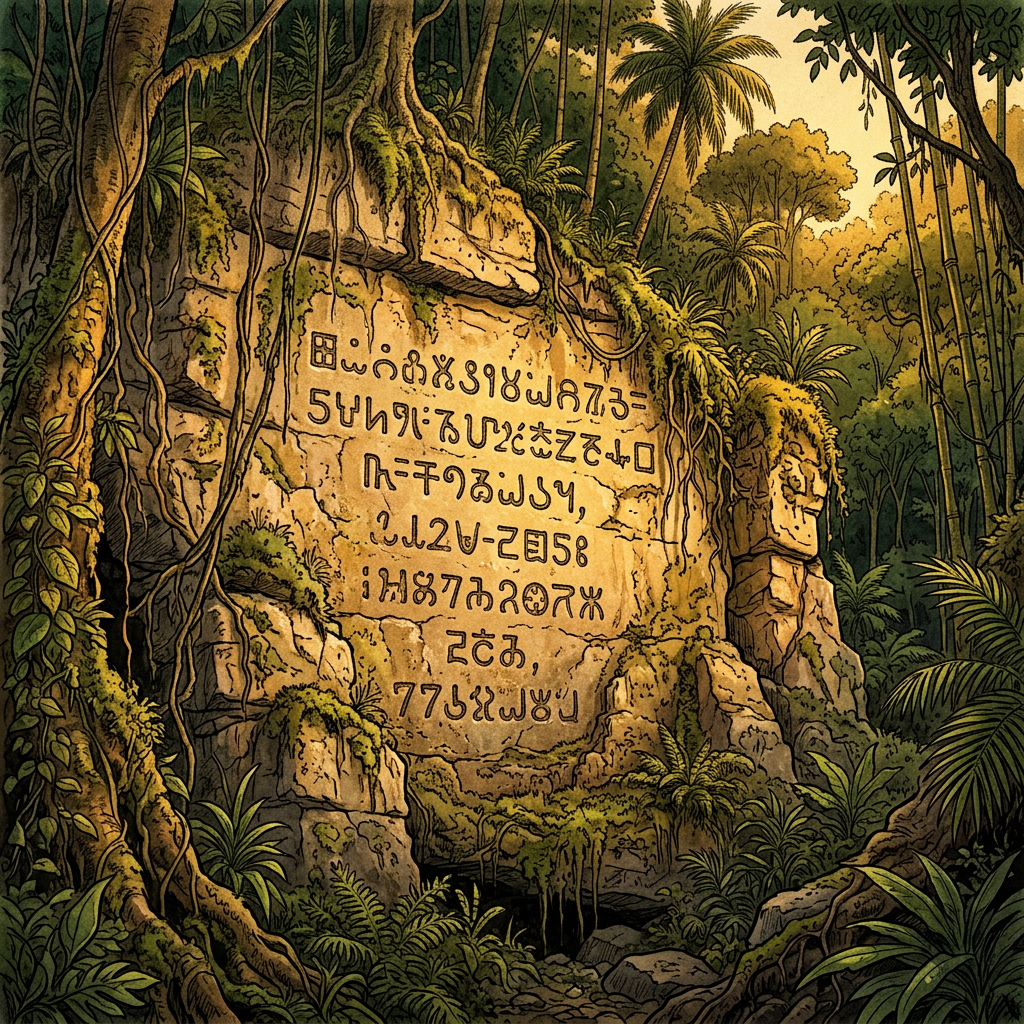
Newly discovered rock-cut inscriptions in the Khao Sek hills of southern Thailand have stunned historians by providing the earliest evidence of Vedic philosophical terminology in Southeast Asia. The inscriptions, written in an early form of Brahmi, use the term Rta (Cosmic Order) to describe the duties of a local chieftain. This suggests that the Vedic concept of a self-regulating universe governed by moral law had reached the Gulf of Thailand as early as the 2nd century BCE.
The text focuses on the 'Philosophy of Reciprocity,' stating that the prosperity of the land is directly tied to the leader's alignment with the 'Natural Law.' This find predates the widespread 'Indianization' of the region by several centuries and points to an early maritime exchange of deep philosophical ideas along the spice routes, long before the establishment of major Hindu-Buddhist kingdoms.