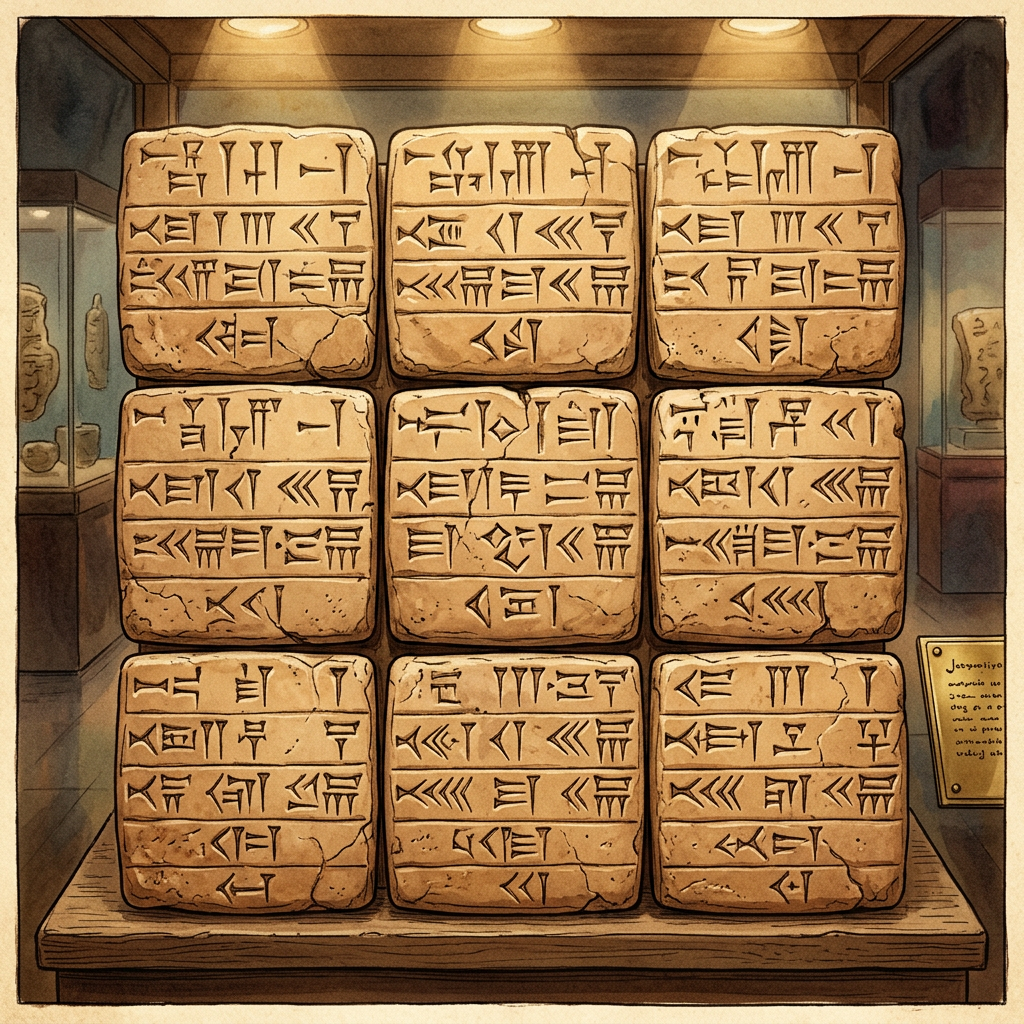
New research published this week details the translation of clay tablets found in the ancient city of Shravasti, dating to roughly 500 BCE. The tablets contain early aphorisms related to Syadvada, the Jain doctrine of 'conditioned predication.' Remarkably, the text uses a primitive form of probabilistic logic to explain how different perspectives can all hold a measure of truth simultaneously.
Historians argue that these tablets represent one of the earliest recorded attempts to formalize epistemological pluralism. The text uses the metaphor of 'light through a prism'—a strikingly advanced scientific analogy for the time—to explain that human knowledge is always partial and that wisdom consists in the synthesis of multiple, seemingly contradictory viewpoints.