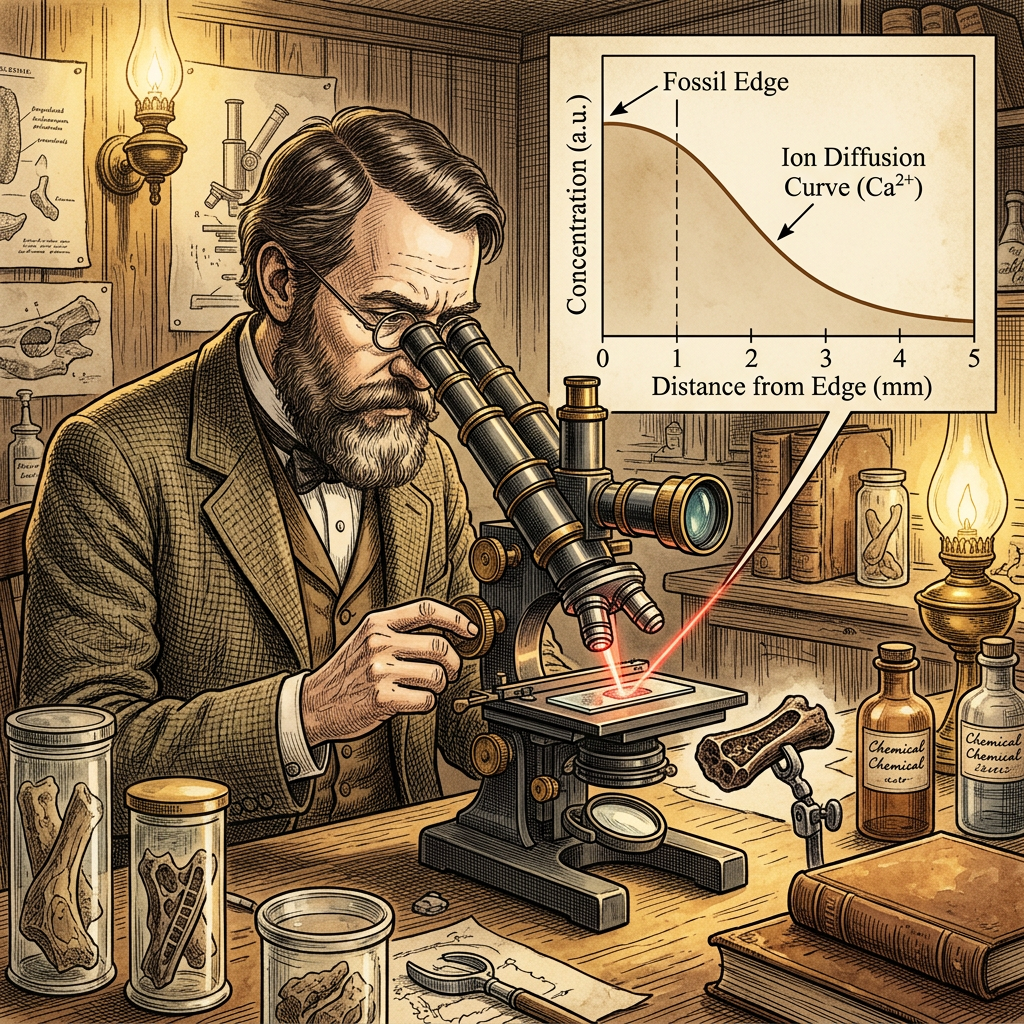
Researchers at the Physical Research Laboratory (PRL) have announced a breakthrough in relative dating techniques specifically designed for the highly mineralized environments of the Himalayan foothills. The new methodology, based on the diffusion rates of fluorine ions into fossilized bone apatite, allows for decadal-scale resolution in dating remains where traditional carbon-14 dating is impossible due to fossil age.
The study applied this technique to several previously unclassified hominid fragments from the Siwalik Hills, confirming a late Middle Pleistocene age for several tool-bearing layers. This technological leap provides a more robust chronological framework for understanding the dispersal of early human relatives across the Indian subcontinent during major climatic fluctuations.