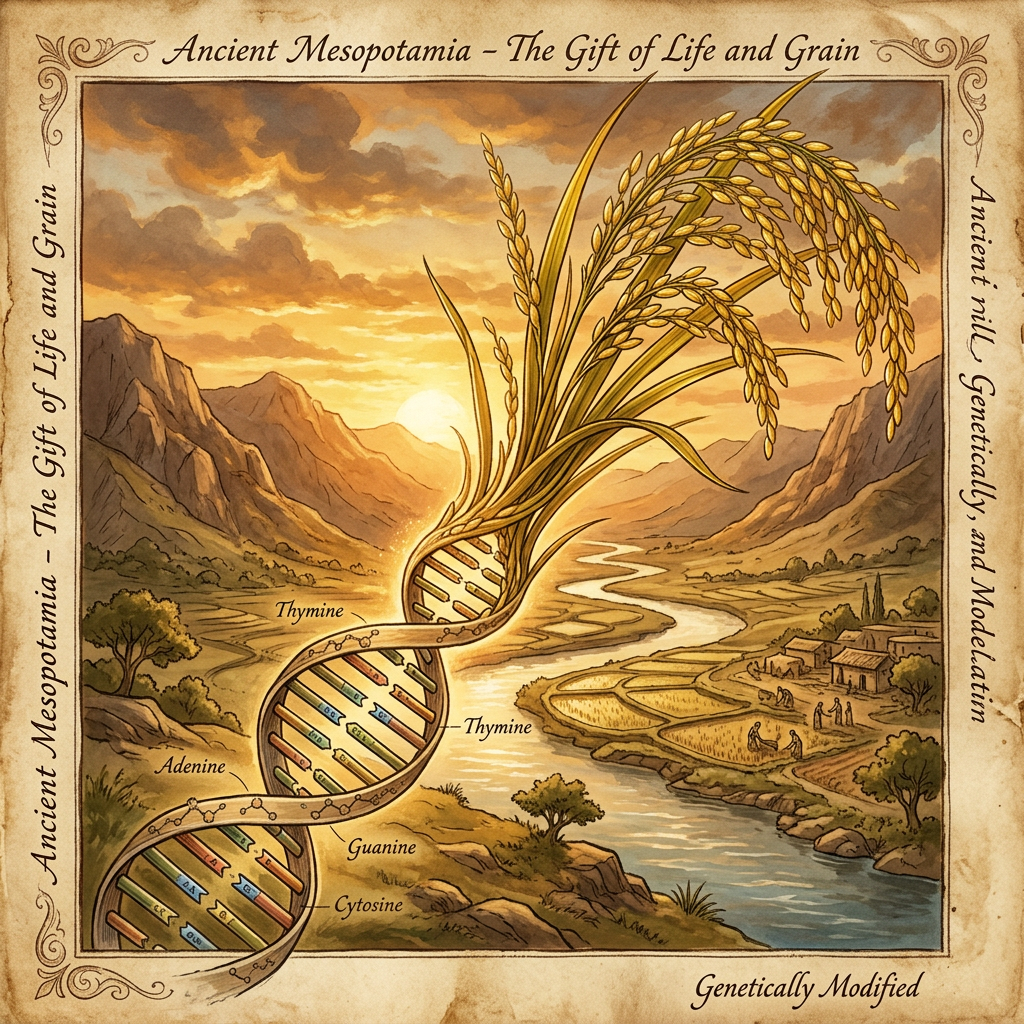
A breakthrough genomic study published in Nature Communications has analyzed the skeletal remains of 22 individuals from the Krishna-Godavari Basin, dating back to 2000 BCE. The research identifies a significant selective sweep in the AMY1 gene (salivary amylase), providing the first biological evidence of a massive dietary shift toward high-starch rice consumption during the South Indian Neolithic-Chalcolithic transition.
The study, led by an international team of paleogeneticists, suggests that these populations developed specific genetic markers for carbohydrate metabolism much earlier than previously hypothesized. This research effectively links archaeobotanical findings of domesticated rice to physiological adaptations in the ancient Indian population, rewriting the timeline of agricultural impact on human evolution in the subcontinent.