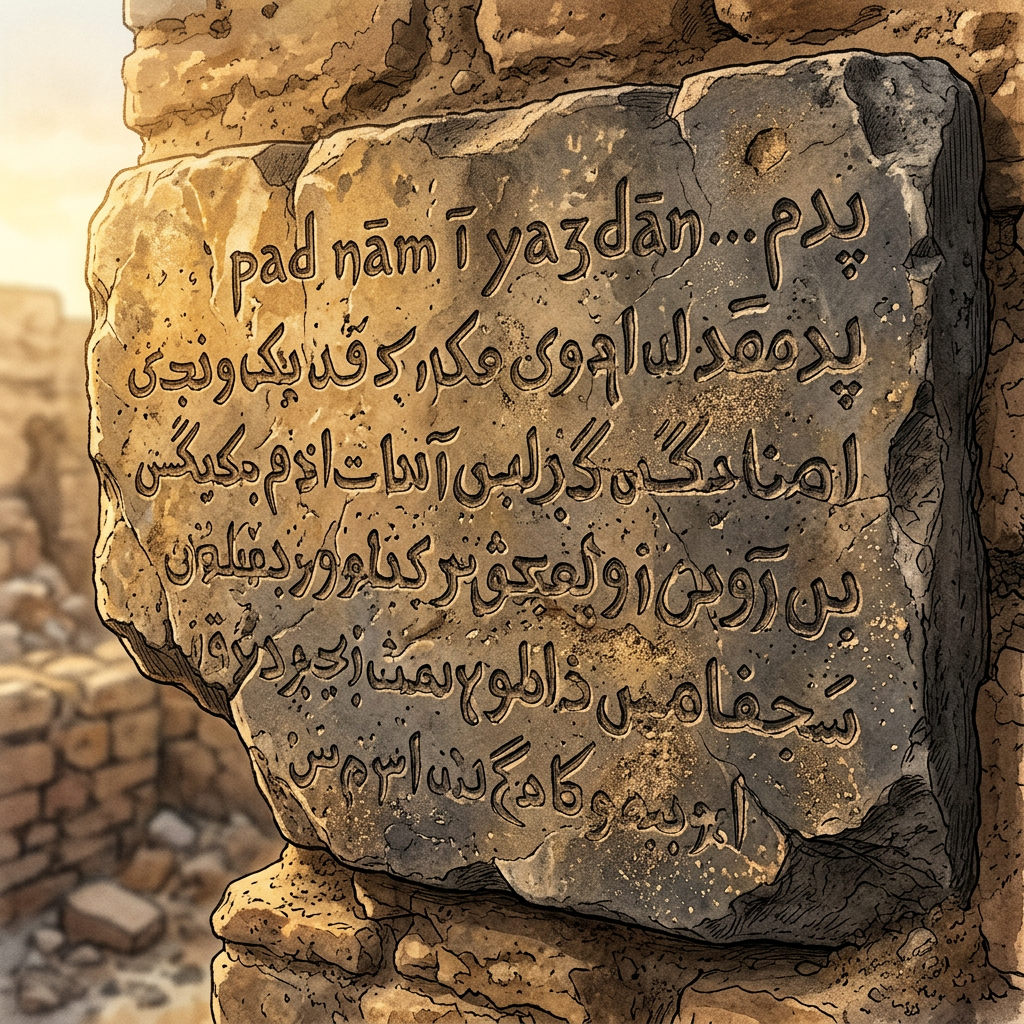
A recently translated stone tablet found in Fars Province, Iran, provides a detailed administrative account of the "Seven S's" required for a state-sponsored Spring Equinox celebration. This 6th-century artifact proves that the core elements of the modern Nowruz festival were codified and funded by the Sassanid imperial court.
The inscription lists logistical requirements for distributing symbolic items like silver coins, vinegar, and sprouted grains to various administrative districts. This suggests that the festival was not just a religious event but a crucial tool for social cohesion and political legitimacy across the empire.
Linguists noted that the terminology used in the tablet mirrors modern Persian festival vocabulary, showcasing an extraordinary 1,500-year continuity of cultural heritage. The discovery reinforces Nowruz’s status as one of the world's oldest continuously celebrated traditions.