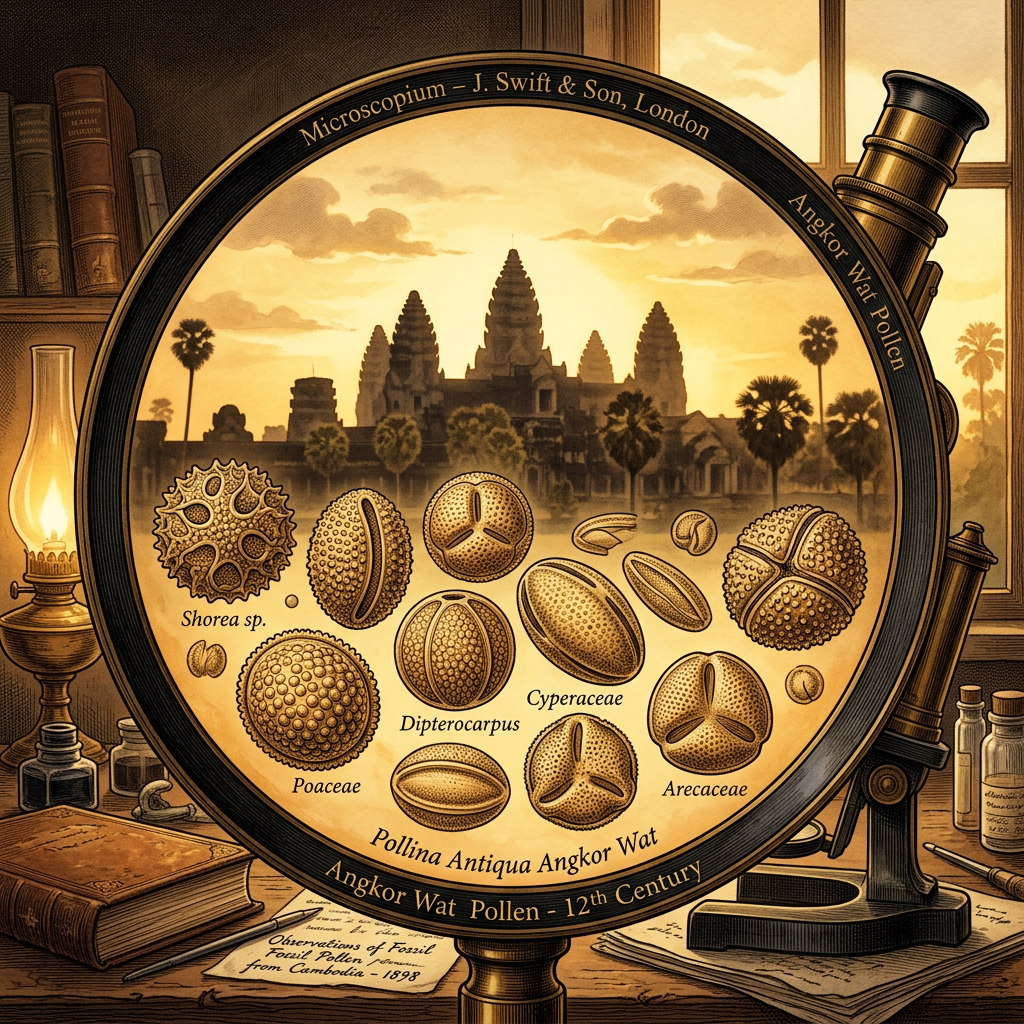
A comprehensive study of sediment cores from the Angkor Wat barays has provided new insights into how the Khmer Empire managed a century-long mega-drought in the 14th century. Using advanced pollen and phytolith analysis, researchers discovered that Khmer engineers rapidly shifted their agricultural focus from water-intensive rice to drought-resistant tuber crops during the climatic downturn.
The study highlights the incredible resilience and technical adaptability of ancient civilizations in the face of environmental collapse. While the drought eventually contributed to the decentralization of the empire, the data shows that the Khmer infrastructure remained functional far longer than previously theorized due to these ingenious bio-engineering strategies.