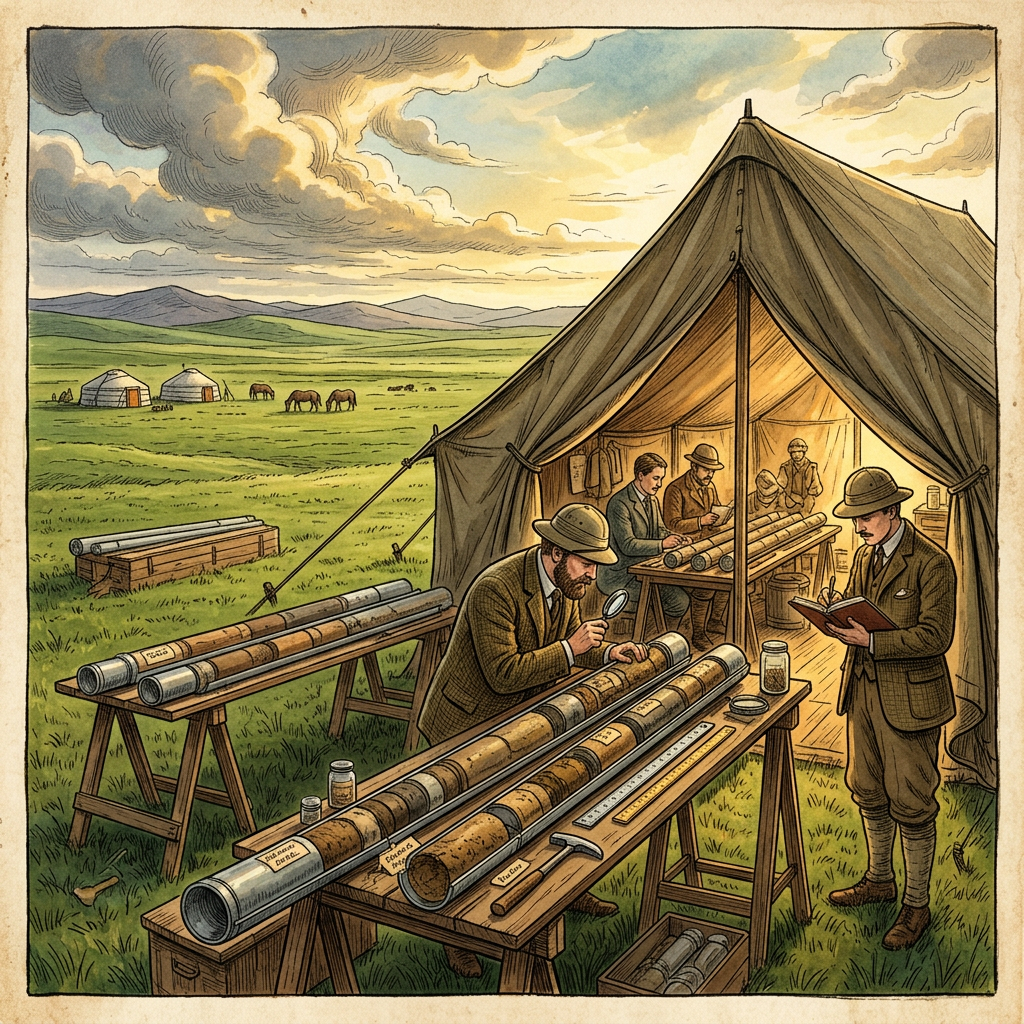
A groundbreaking climate archaeology study published in the journal Nature Geoscience has linked the rapid rise of the Mongol Empire to a period of unprecedented rainfall in the 13th century. By analyzing sediment cores from Lake Baikal, researchers identified a 'pluvial' period that transformed the Mongolian steppe into a lush grazing ground.
This environmental shift provided the necessary resources for Genghis Khan's massive horse-borne armies to sustain long-distance campaigns. The study highlights how environmental history can explain the sudden emergence of historical superpowers, showing that the success of the Mongol expansion was as much a product of climate stability as it was of military strategy.