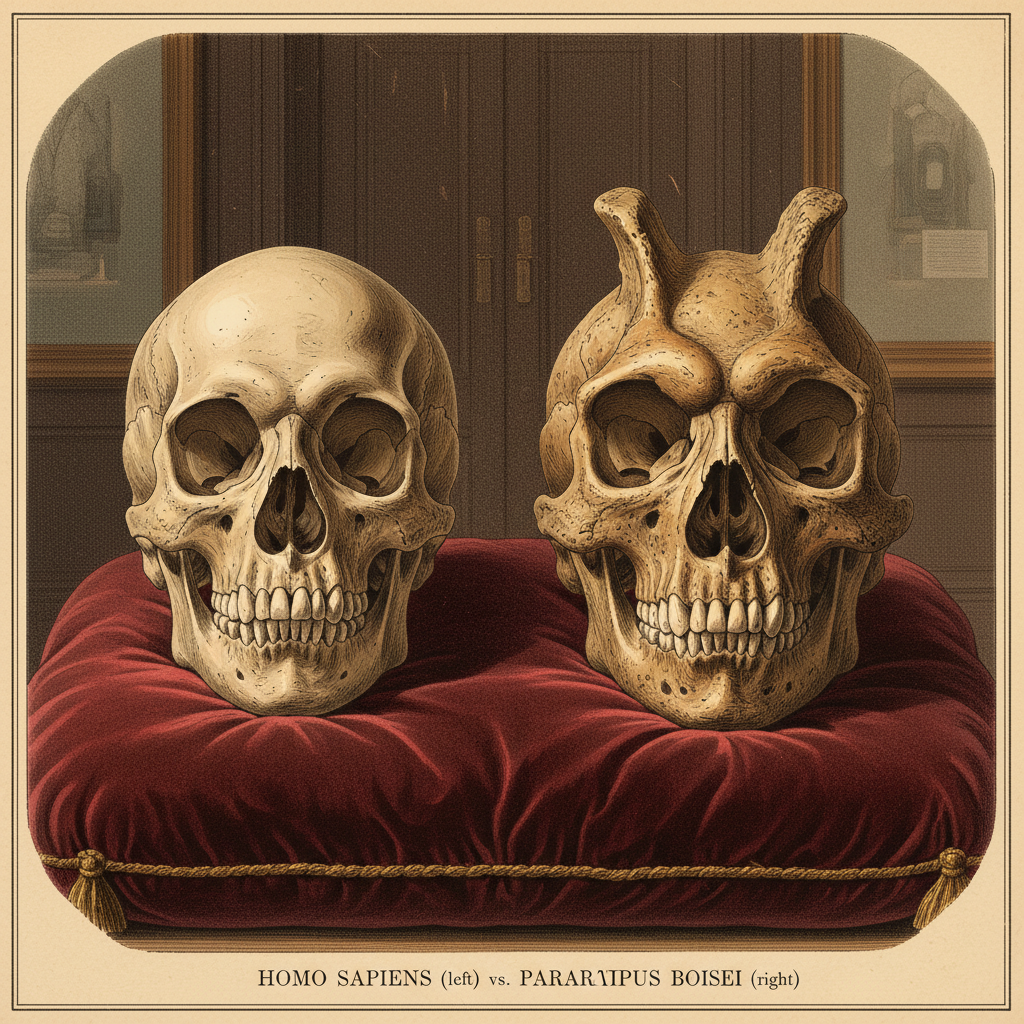
A new study published this week details the discovery of fossilized cranial fragments and a femur belonging to a previously unknown lineage of early humans in the Sterkfontein Caves. Named Australopithecus vicinus, this species lived alongside early Homo habilis but exhibited distinct dental adaptations for consuming tough, fibrous vegetation. This find suggests that the evolutionary tree of early hominids was even more crowded and diverse than once thought.
The femur shows clear evidence of bipedalism, yet the long arm-to-leg ratio suggests these creatures still spent significant time in trees. According to lead palaeoanthropologists, the coexistence of this species with early members of the Homo genus indicates a complex period of ecological competition and niche specialization. This discovery challenges the linear view of human evolution and emphasizes the variety of biological experiments that occurred in the African savanna.