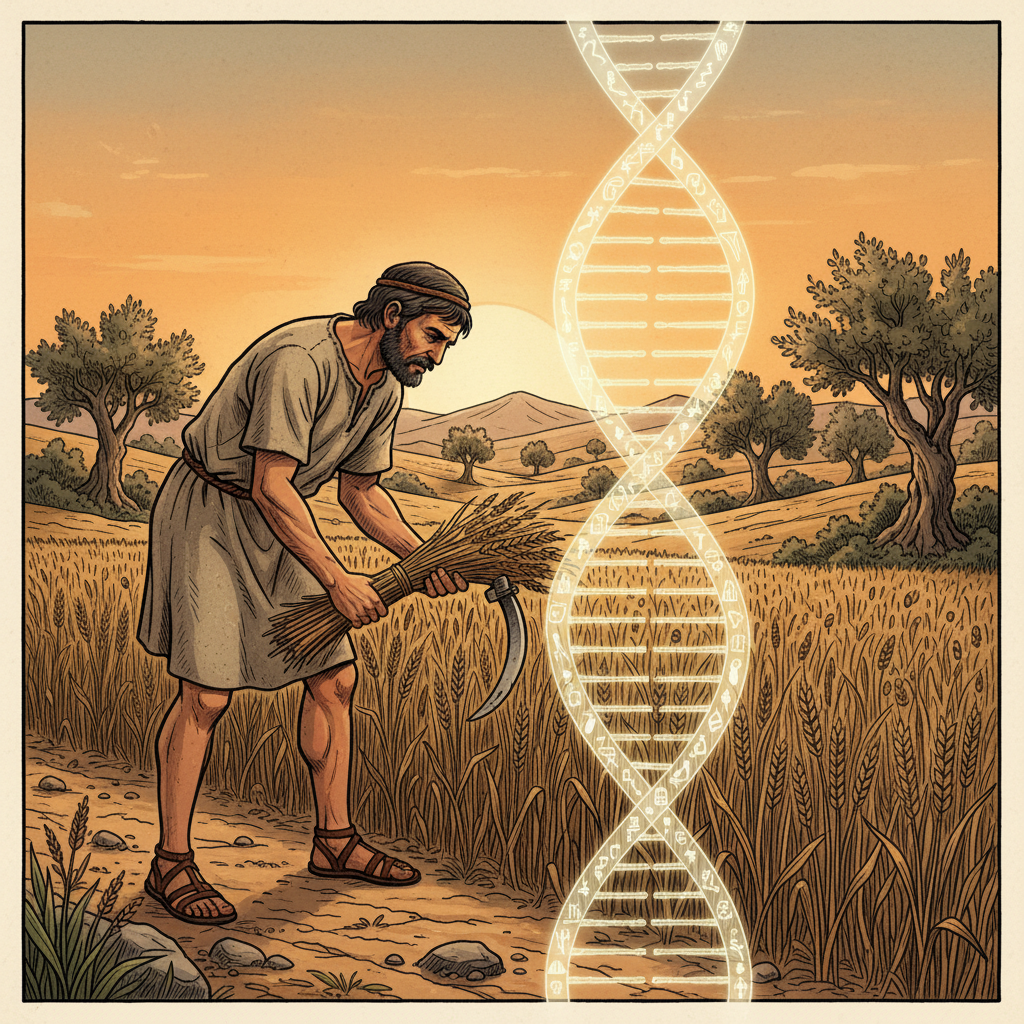
A new paleogenomic study published in Cell Reports has analyzed the remains of individuals from the 5,500-year-old site of Bhirrana in the Ghaggar Valley. The research identifies specific genetic signatures associated with high-fiber diets and specialized metabolism for drought-resistant cereals like millet and barley, which were vital to pre-Harappan survival.
This genetic evidence suggests that early agricultural communities in Northwest India were undergoing rapid evolutionary adaptation to the fluctuating monsoon patterns of the era. The study provides a crucial link between environmental shifts and the genetic resilience of the populations that eventually built the first urban centers of the Indus Civilization.