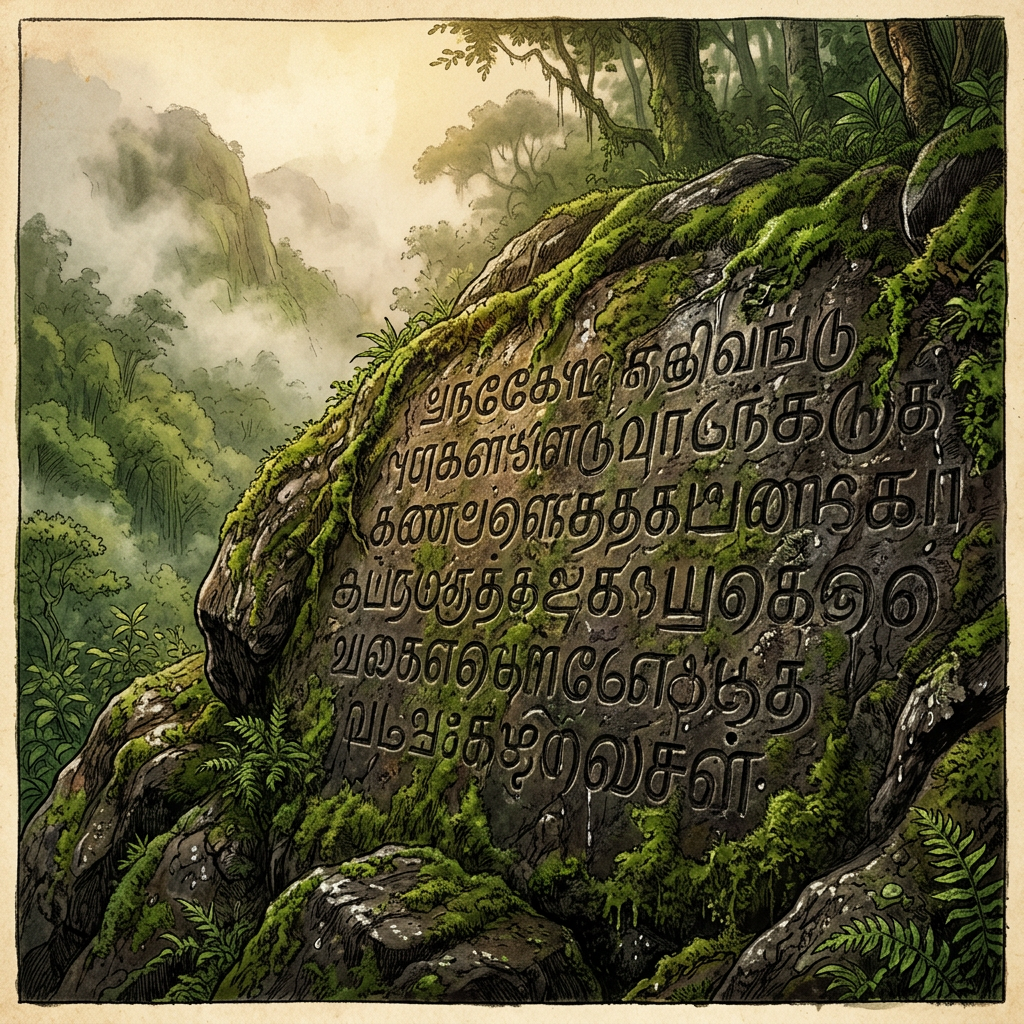
Archaeologists exploring the upper reaches of the Nilgiri Hills have identified a series of rock inscriptions dating to the 6th century CE. These inscriptions, written in a variant of the Vatteluttu script, detail a philosophical framework known as 'Prakriti-Niti', or the ethics of nature. The text suggests that the ancient inhabitants viewed the mountain ecosystem as a sentient entity requiring ritual and moral reciprocity.
Scholars believe this discovery provides a missing link between early Vedic environmentalism and the localized wisdom traditions of the Western Ghats. The inscriptions emphasize 'Sahajivi-Dharma', the duty of co-existence, which challenges the anthropocentric views often attributed to ancient agrarian societies.