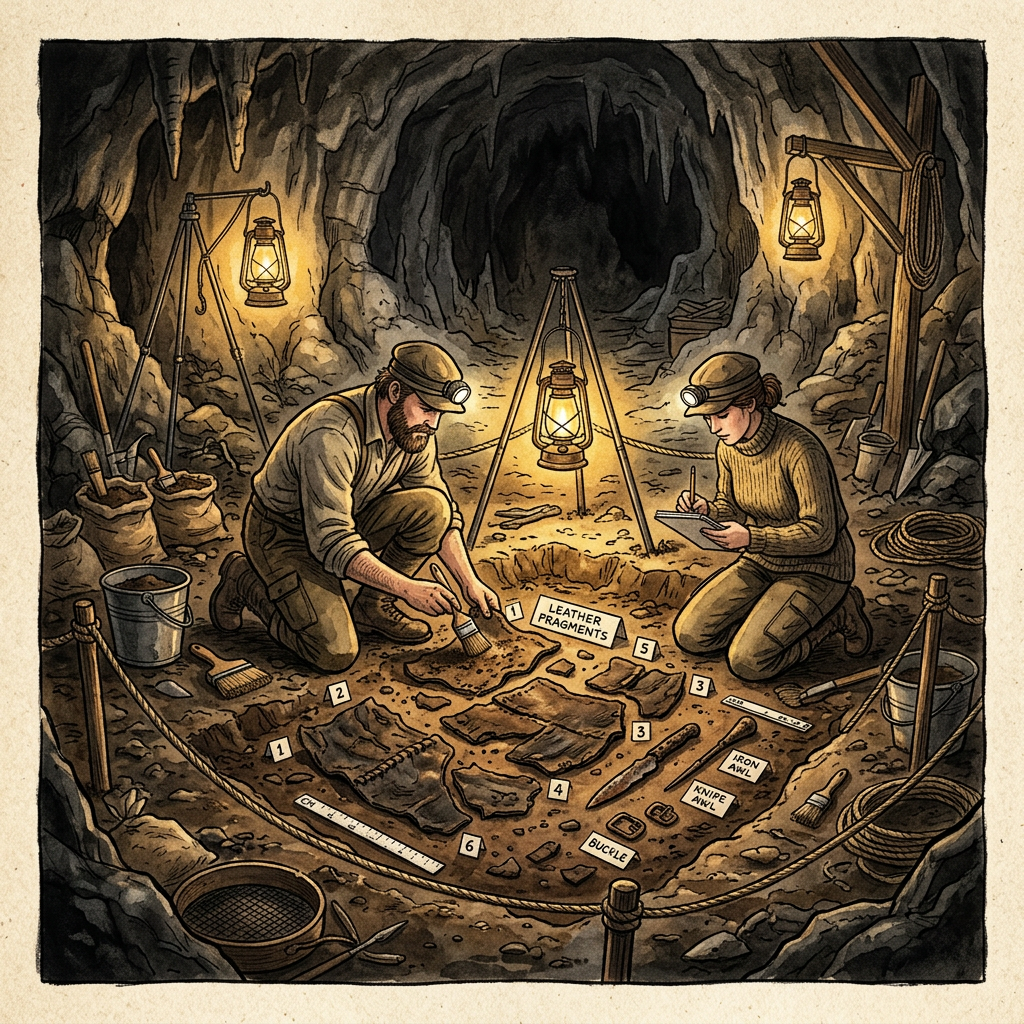
In a limestone cave within the UK's Peak District, heritage experts have identified tanned wolf-skin fragments and iron thongs dating to the late 3rd century. These items bear a striking resemblance to the ritual tools used in the Roman Lupercalia festival, but with a distinctly local, British character.
The presence of these votives in a rural, non-urban setting suggests that the cult of the wolf and fertility festivals were adapted by local populations, blending Roman imperial religion with ancient Celtic pastoral traditions. This find sheds new light on how frontier communities maintained complex ritual identities through hybrid festive practices.