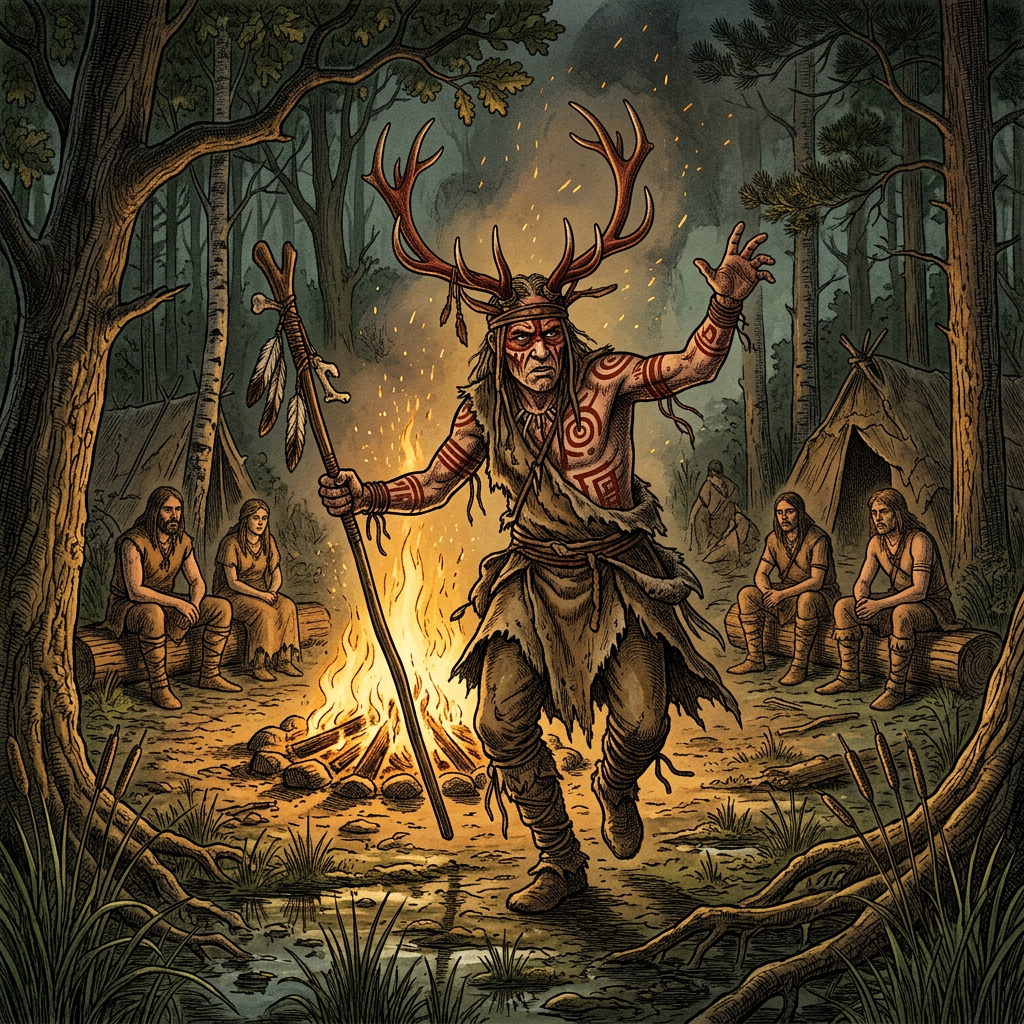
A breakthrough discovery at a waterlogged site in North Yorkshire has revealed a collection of red deer antler headdresses dating back to approximately 8,000 BCE. Unlike previous finds, these examples show evidence of repair and long-term use, indicating they were curated items passed down through generations for use in recurring seasonal ceremonies. The headdresses were found alongside percussion tools made of bone, suggesting a tradition of rhythmic dance and animal mimicry.
These artifacts offer profound insights into the shamanic origins of European folk festivals. Dr. Thomas Kendrick of the University of York argues that these sites were focal points for hunter-gatherer aggregations, where 'animal-spirit' festivals were held to ensure the return of migratory herds. The preservation in the peat bog is so extraordinary that traces of original ochre pigment remain visible on the bone surfaces.