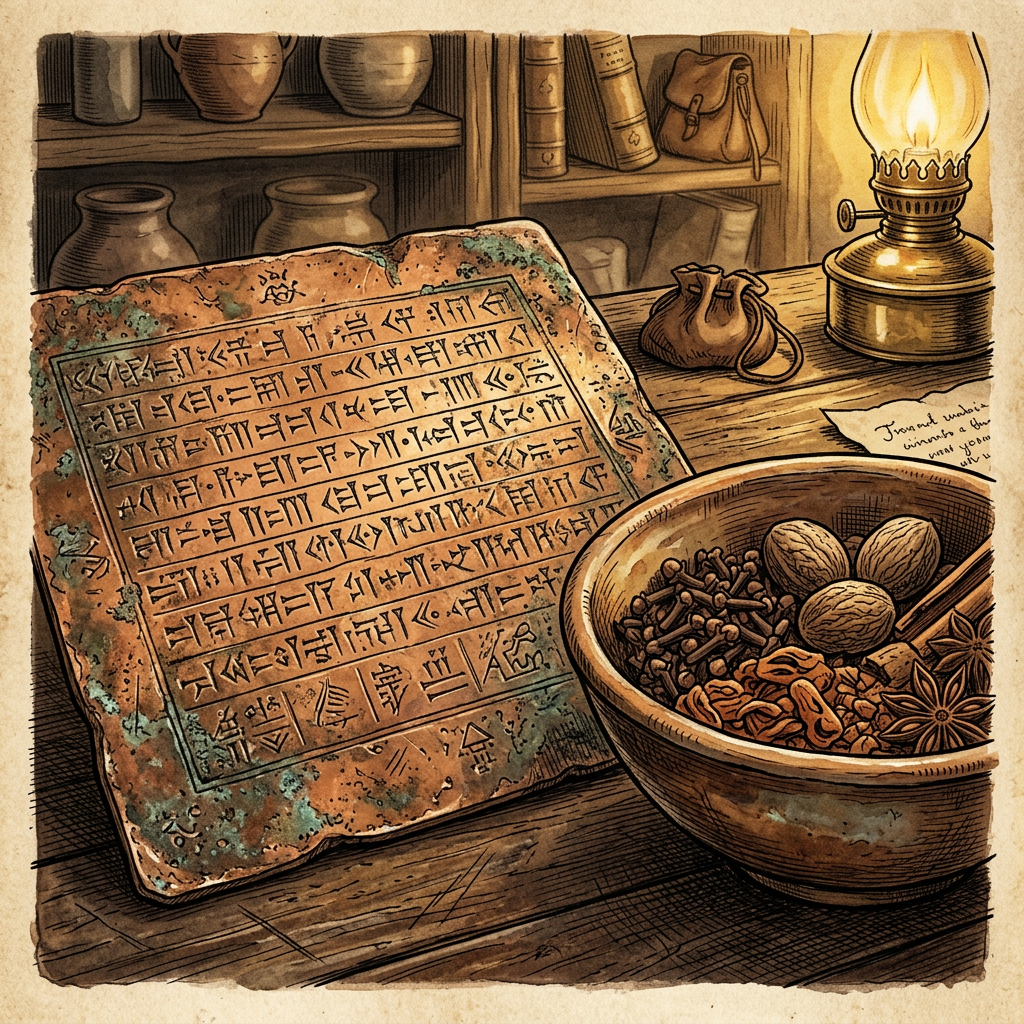
A new study from the Journal of Southeast Asian Studies details the successful decipherment of a set of copper plates found in eastern Java. The inscriptions, written in a hybrid of Old Javanese and Sanskrit, outline a formal maritime trade treaty between a local Shailendra ruler and the mercantile guilds of the Chola Empire. The text provides a detailed list of regulated spice prices, customs duties, and the legal rights of Indian merchant colonies in the region.
This discovery is the first documented evidence of a sophisticated, cross-continental legal framework governing the spice trade in the 9th century. It mentions specific guild names like the Ayyavole 500 and details the diplomatic protocols required to settle disputes between foreign traders and local harbor masters, highlighting a level of bureaucratic complexity previously thought to have emerged only much later.