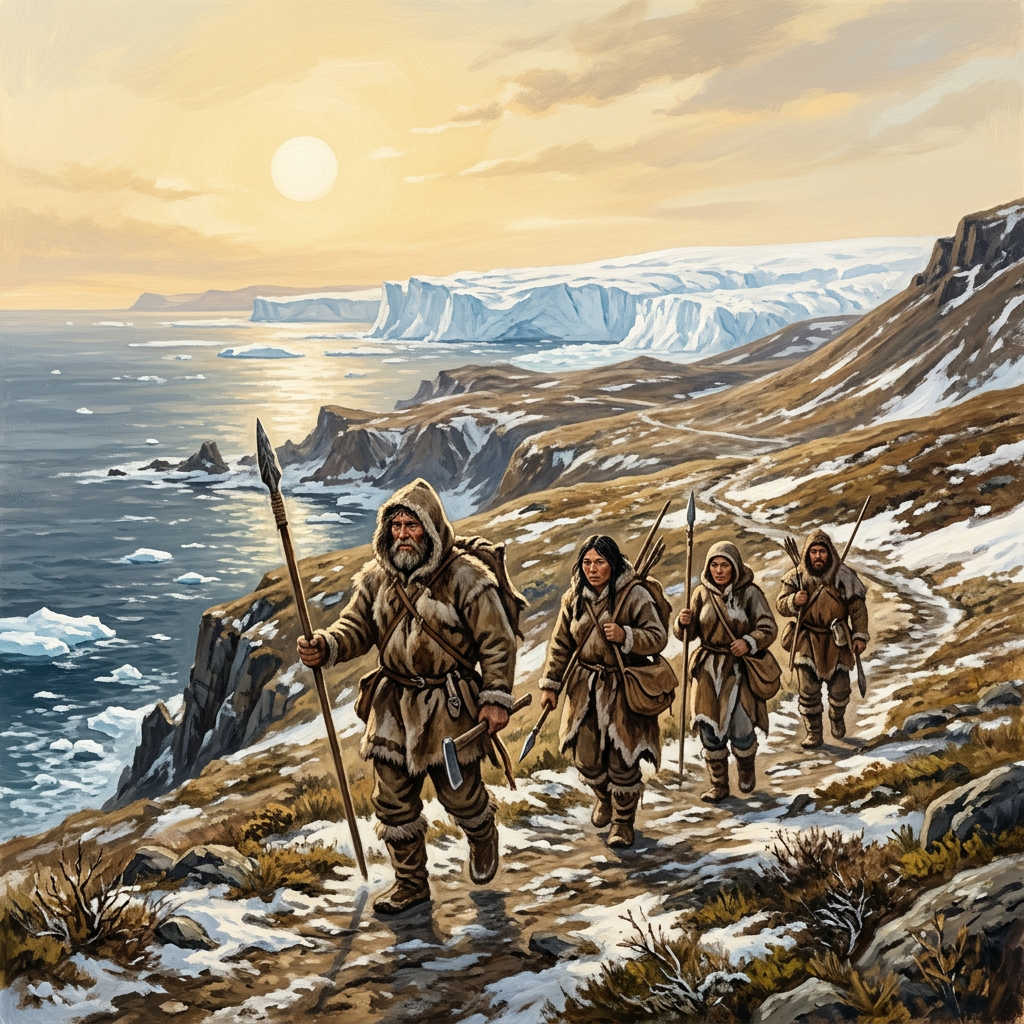
A groundbreaking paleogenomic study published in Nature Genetics has identified a previously unknown wave of human migration into the Americas. By analyzing the high-coverage genome of 14,000-year-old remains found in the Tanana Valley of Alaska, researchers discovered a genetic signature that differs significantly from both the Ancient Beringians and the ancestors of modern Indigenous Americans. This 'Paleo-Arctic' pulse suggests that the colonization of the New World was even more genetically diverse than previously modeled.
The research team utilized advanced shotgun sequencing to reconstruct the genetic history of these early pioneers. The findings indicate that this group likely migrated from North Asia during a brief climatic window in the late Pleistocene, following a coastal route that allowed them to bypass inland ice sheets. This discovery challenges the 'single-wave' migration theory and provides a new framework for understanding the complex demographic history of the earliest Americans.