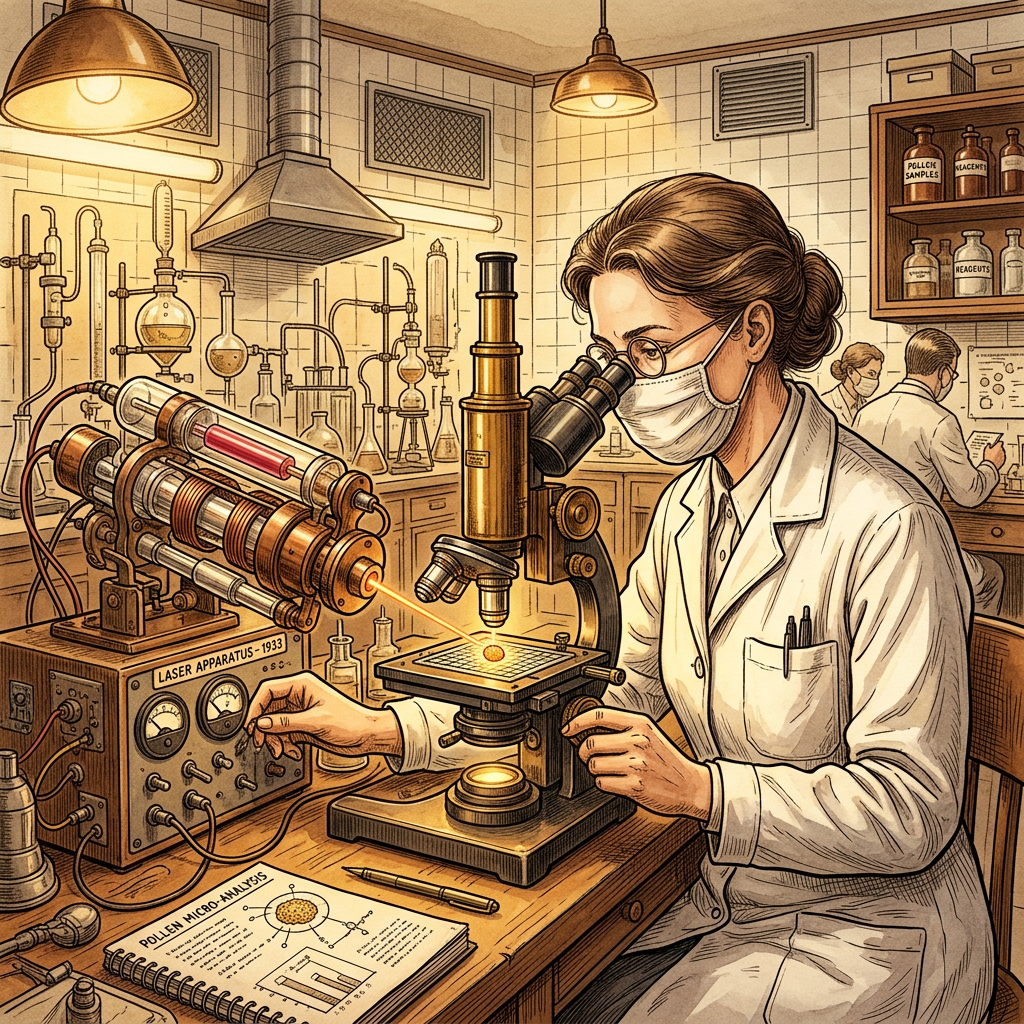
In a major leap for archaeological dating, researchers have unveiled a new technique known as Laser-Induced Radiocarbon Microsampling (LIRM). Published in the Radiocarbon Journal, this methodology allows scientists to extract and date carbon from single grains of pollen or microscopic charcoal fragments found within archaeological strata. The first application of this technique at the site of Tell Abu Hureyra has resolved a 200-year chronological ambiguity regarding the transition from foraging to farming.
The study provides seasonal-level precision, revealing that the first systematic cultivation of cereals occurred within a specific 15-year period following a sudden cooling event. This level of granularity in dating allows archaeologists to correlate human social changes directly with short-term environmental shifts, providing a much clearer picture of how ancient civilizations responded to rapid climate change in the early Holocene.