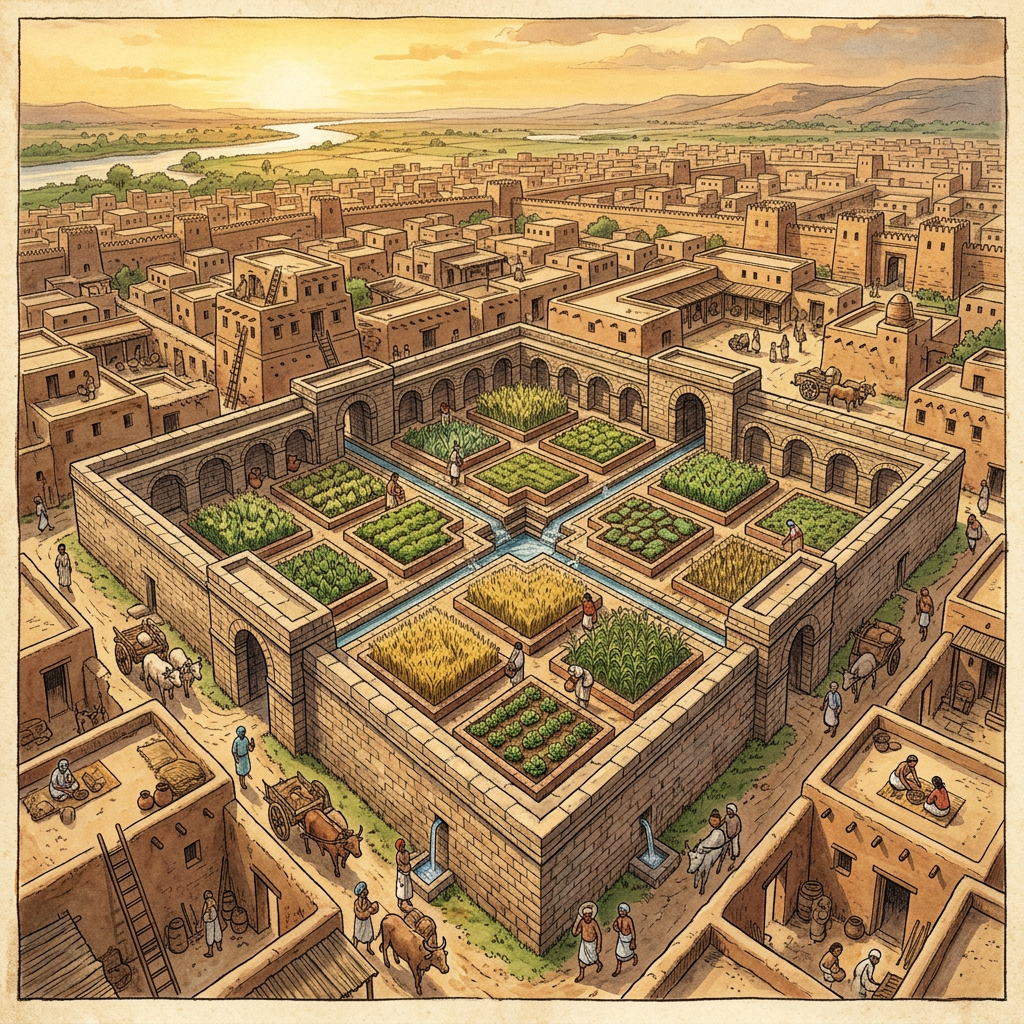
Archaeologists working at the Indus Valley site of Dholavira have unearthed a specialized structural complex identified as a "Botanical Conservatory." This unique facility, dating back to 2500 BCE, features a series of raised stone planter beds and a sophisticated micro-irrigation system designed to maintain specific humidity levels. Soil analysis within these beds has revealed high concentrations of pollen from non-native medicinal herbs, suggesting the Harappans were actively domesticating and cultivating rare plants for pharmaceutical use.
This discovery provides the first physical evidence of controlled environment agriculture in the ancient world. The presence of specialized storage jars nearby, containing charred remains of processed roots and leaves, indicates that the conservatory was part of a larger medical manufacturing district. Researchers believe this find fundamentally changes our understanding of Indus Valley science, shifting the narrative from mere trade to advanced biological research and application.