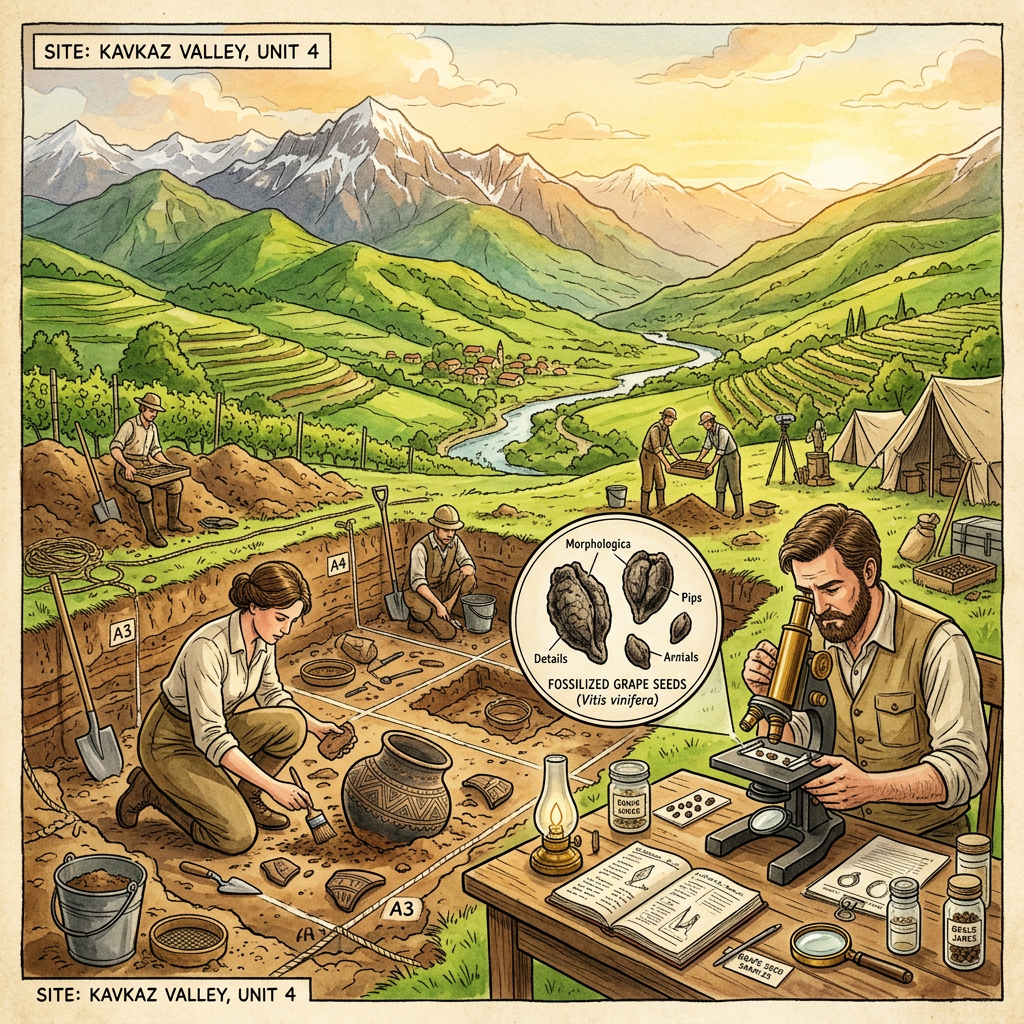
A comprehensive paleogenomic study of remains from the South Caucasus has identified specific genetic markers associated with the metabolic processing of fermented fruits in the Kura-Araxes culture. The research, published in Science, suggests that these early mountain dwellers had already developed a physiological resilience to high-altitude viticulture and wine consumption by the late 4th millennium BCE.
The study also maps the migration of these genetic signatures into the Mediterranean basin, indicating that the spread of early winemaking technologies was accompanied by significant human movement. This genetic evidence provides a new lens through which to view the Neolithic transition, suggesting that dietary adaptations were a primary driver for the expansion of early agricultural societies into the Anatolian plateau and beyond.