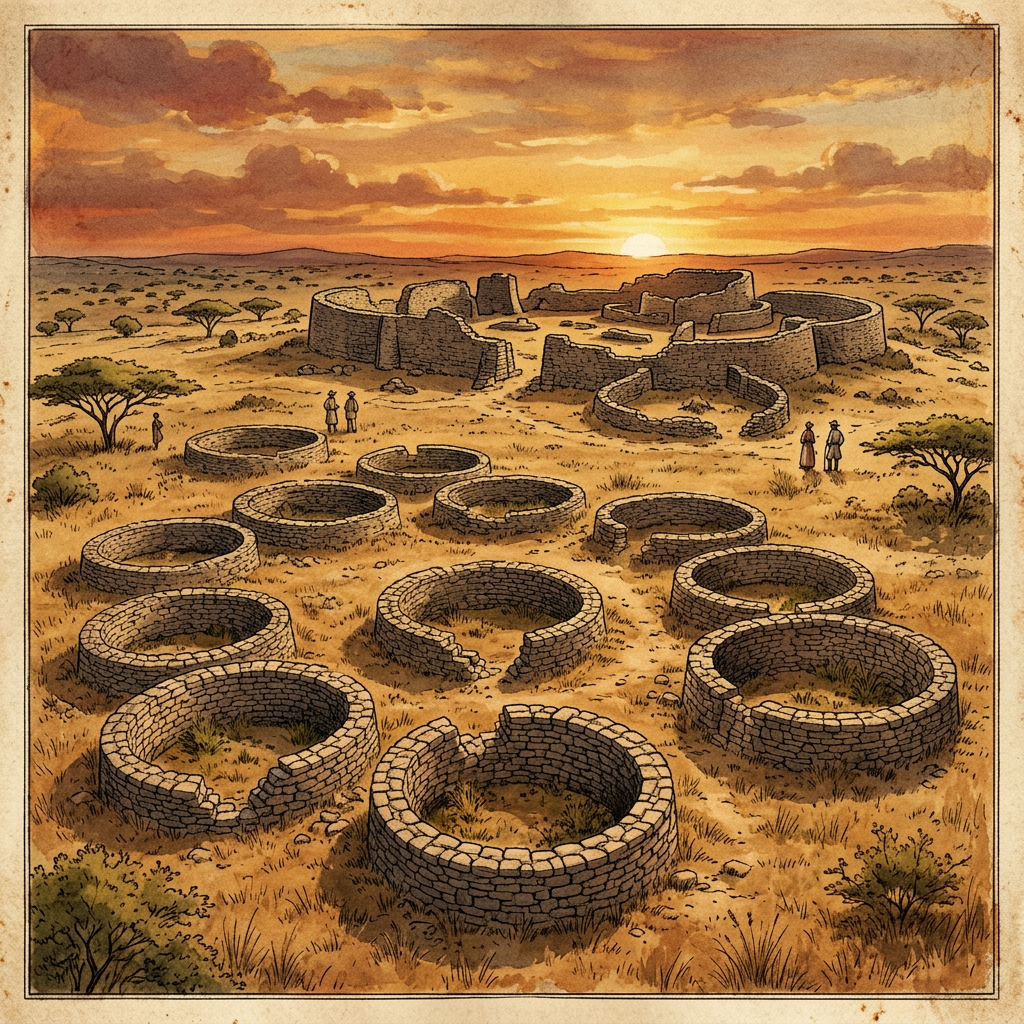
A research team operating near the Khami World Heritage Site has mapped a series of previously unknown subterranean ritual pits used for communal fermentation. Analysis of the soil reveals high concentrations of finger millet and sorghum residue, pointing to the large-scale production of traditional beer for seasonal 'First-Fruit' ceremonies. These structures date back to the 15th century, predating many of the documented oral traditions of the region.
The discovery highlights the socio-political importance of harvest festivals in the Kingdom of Butua. These gatherings served not only as religious events to appease ancestral spirits but also as critical economic redistributive hubs. By centralizing the festival infrastructure, ancient leaders reinforced communal bonds and agricultural cycles through shared ritual consumption and performance.