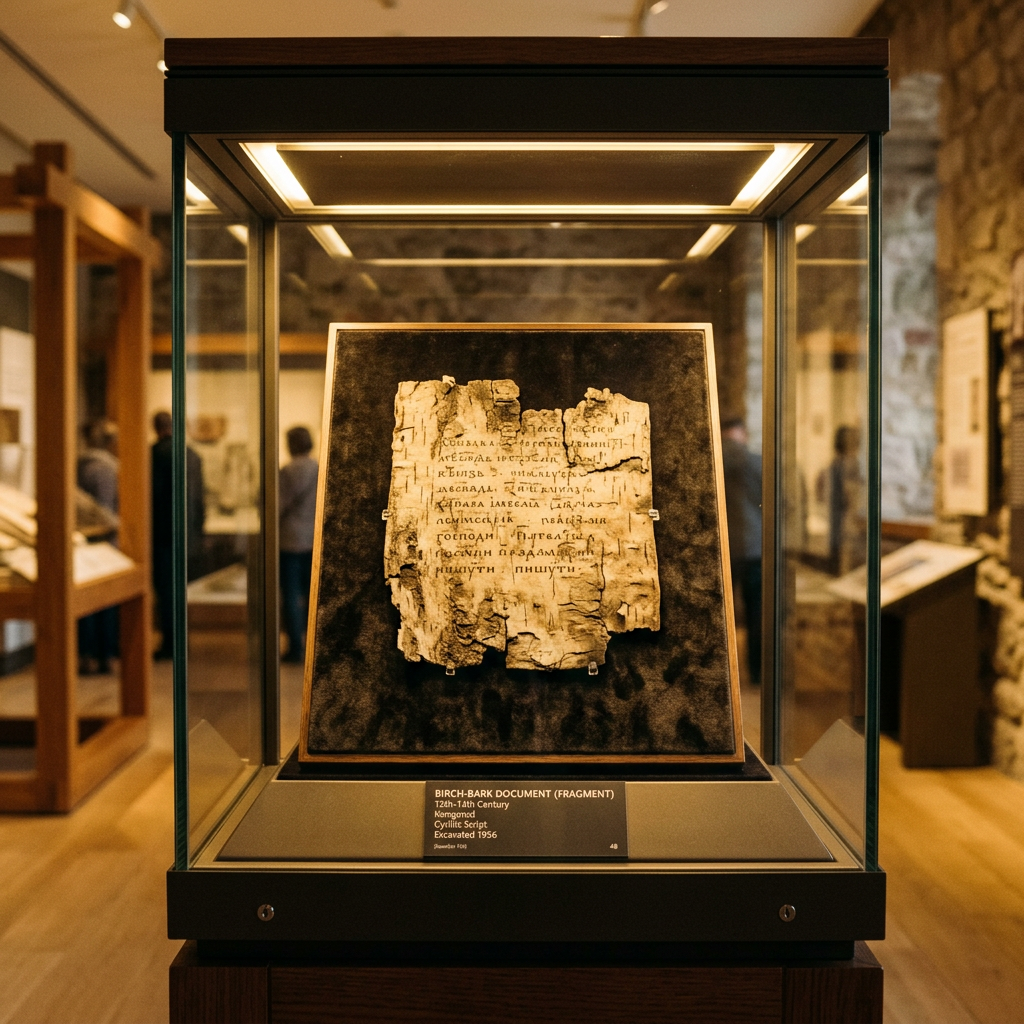
A birch-bark scroll recovered from a stupa in the Gilgit-Baltistan region has been identified as a 'Jnana-Kosa' (Treasury of Knowledge). This 8th-century document provides a rare synthesis of Vedic epistemology and the logic systems prevalent in Central Asian Buddhist centers. It outlines a method of 'triangulated truth' where sensory evidence, logical inference, and traditional wisdom must converge to establish a fact.
The scroll is particularly significant because it mentions the exchange of scholars between the universities of Nalanda and Balkh. It highlights how Vedic theories of 'Sabda' (testimony) were adapted to meet the rigorous debating standards of the multicultural Silk Road. This discovery offers a new perspective on the globalized nature of ancient Indian philosophy during the early medieval period.