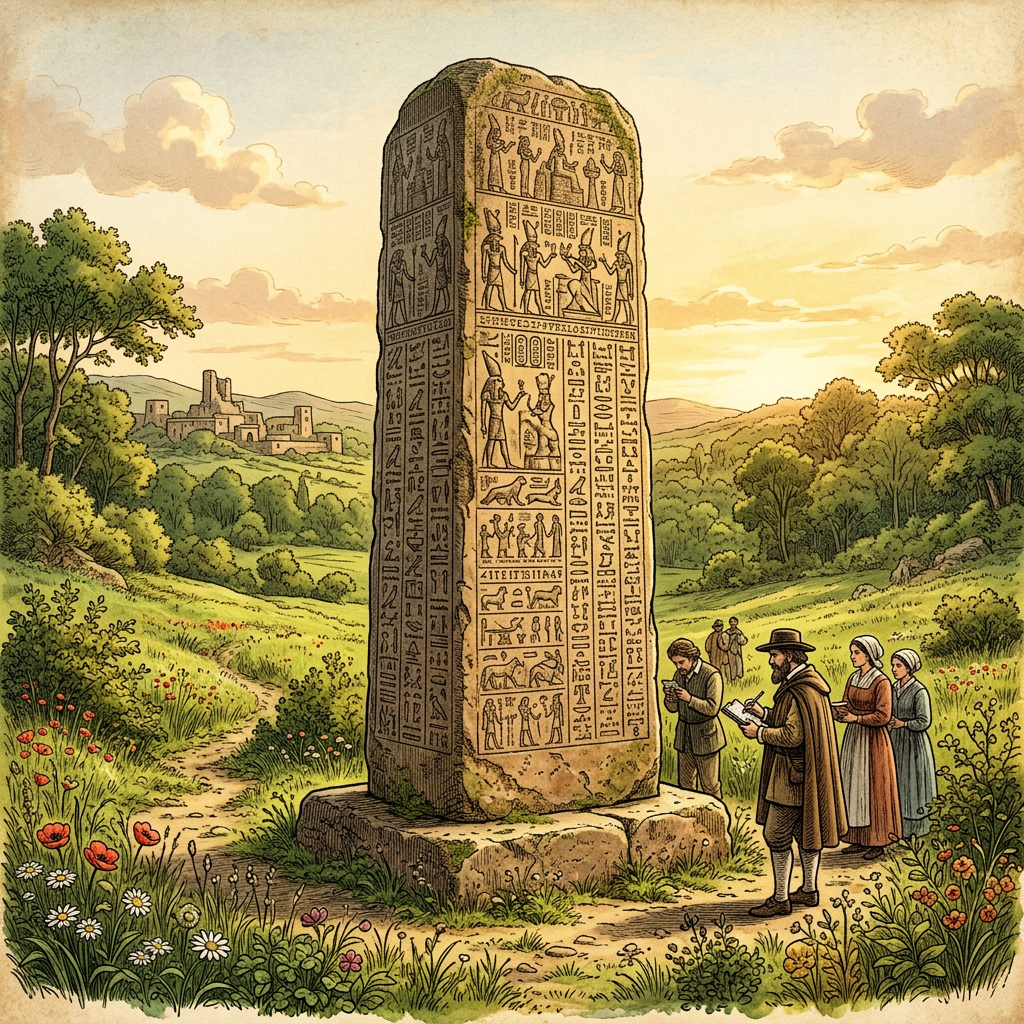
In the Brahmaputra valley of Assam, archaeologists have discovered a series of stone stelae known as the 'Dharma-Setu' (The Bridge of Virtue). Dated to the 12th century, these inscriptions detail a rigorous ethical code for community leaders, emphasizing the 'Philosophy of Stewardship' over that of ownership. The text draws heavily on the Puranas but adapts the teachings to a local context of river-based agrarian life.
The 'Dharma-Setu' is unique for its focus on the interdependence of ecological health and moral integrity. It states that the 'Dharma' of a ruler is inextricably linked to the purity of the waters and the prosperity of the smallest household. This find highlights the sophisticated development of socio-political philosophy in Northeast India during the Kamarupa period, focusing on local sustainability as a spiritual mandate.