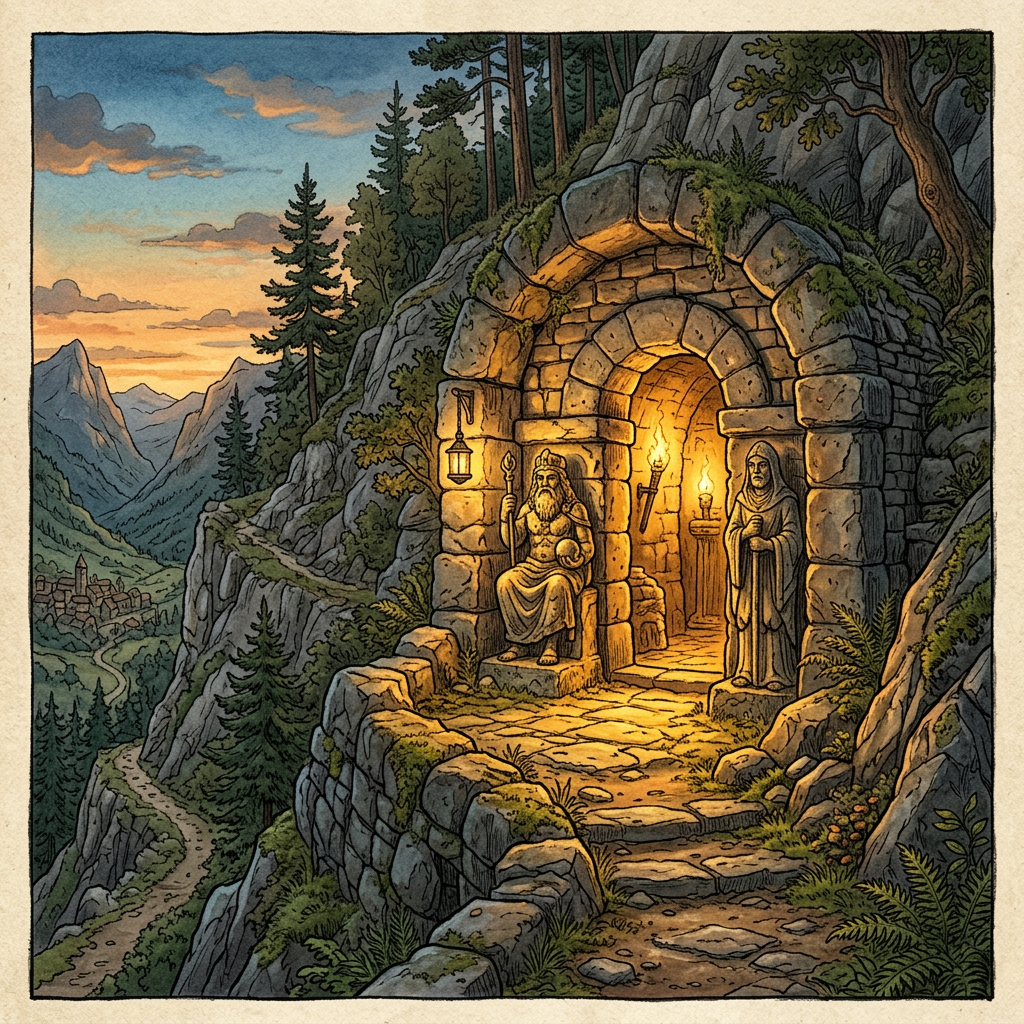
High in the Ancash Highlands of Peru, archaeologists have documented an intact Recuay culture shrine dating to approximately 600 CE. The stone chamber contained several 'monolith' statues representing local chieftains, arranged around a central offering pit filled with micro-textiles and charred llama remains. This site is believed to be the origin point for the 'Festival of the Mountain Lords,' a tradition where high-altitude communities gathered to honor the spirits of the peaks and their lineage founders.
The preservation of the micro-textiles is particularly significant, as they display patterns associated with the changing seasons, suggesting the festivals were timed to specific astronomical events. The site’s location at a natural crossroads suggests it served as a neutral ground for ritual exchange between different ethnic groups. This discovery offers a rare glimpse into the complex ritual landscape of the Andes before the rise of the Wari and Inca empires.