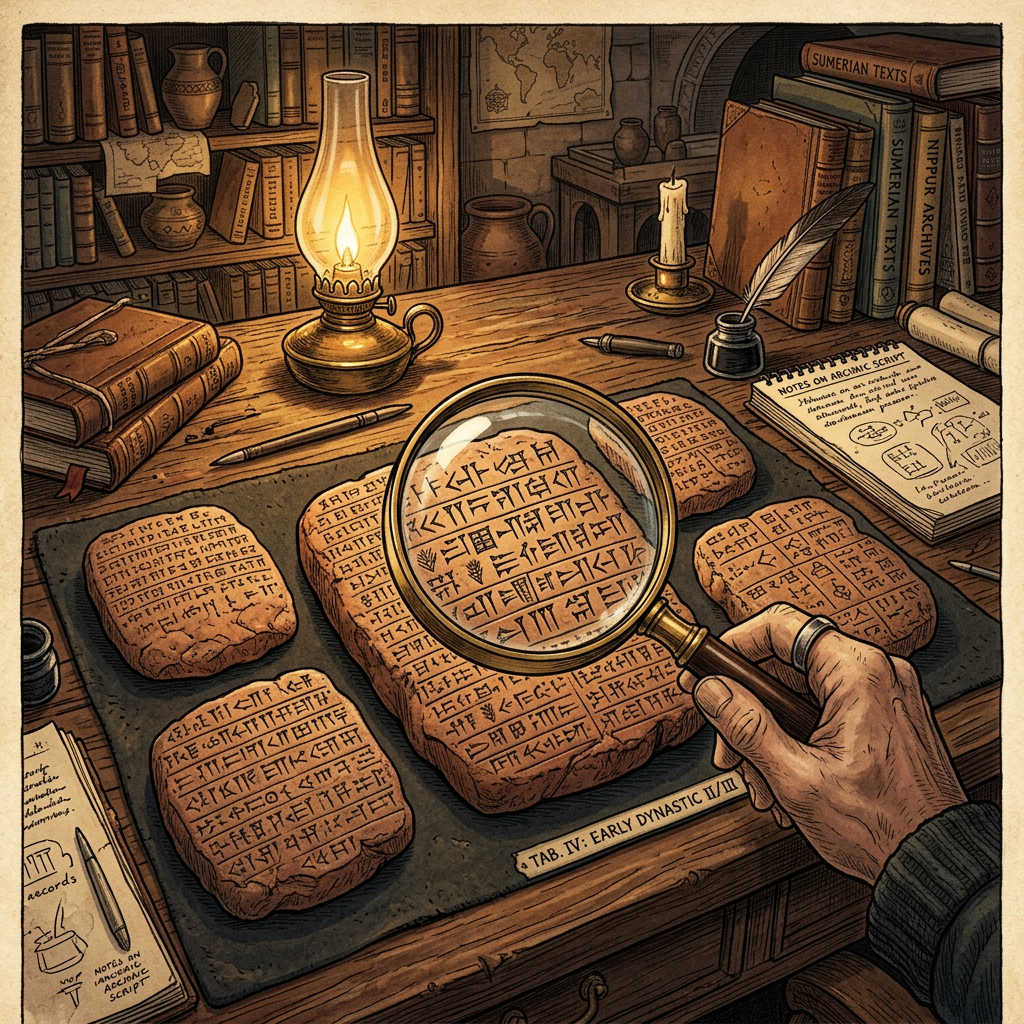
In a breakthrough for the study of ancient Indian materialism, researchers have deciphered a set of clay tablets found in the Godavari basin that detail the tenets of the Lokayata (Charvaka) school. These tablets, dating to the 4th century BCE, provide a rare first-hand look at the "philosophy of the world" which rejected supernatural authority in favor of Pratyaksha (direct perception) as the only valid source of knowledge.
The text outlines an ethical framework based on social utility and the minimization of suffering, rather than divine reward. Unlike later accounts that caricatured the school as purely hedonistic, these tablets reveal a sophisticated Niti (ethics) focused on rational living and secular governance. This discovery provides the oldest known written evidence for organized skepticism in the Indian subcontinent.