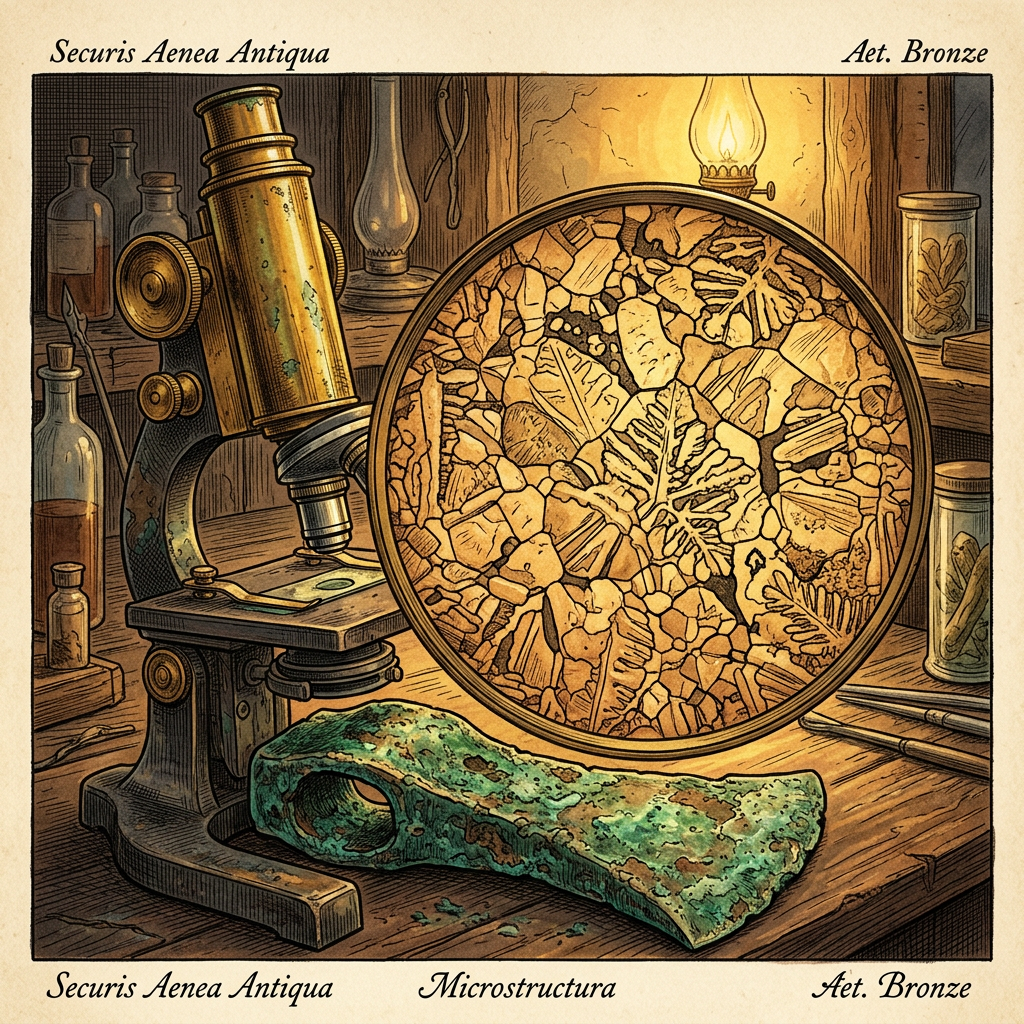
Scientists using Energy-Dispersive X-ray Spectroscopy (EDX) have analyzed a cache of 3,500-year-old metallic artifacts from the Betwa Valley in Central India, uncovering evidence of sophisticated Nickel-Arsenic alloying. The artifacts, belonging to the enigmatic 'Copper Hoard' culture, were found to have a specific chemical composition that intentionally increased the hardness and tensile strength of the tools, making them comparable to early iron implements.
The study, published in Archaeological and Anthropological Sciences, indicates that these ancient metallurgists had precise control over furnace temperatures and atmospheric conditions to achieve such complex alloys. This level of material science expertise suggests that the transition between the Chalcolithic and the Iron Age in Central India was a period of intense experimental metallurgy that has been largely overlooked in traditional historical timelines.