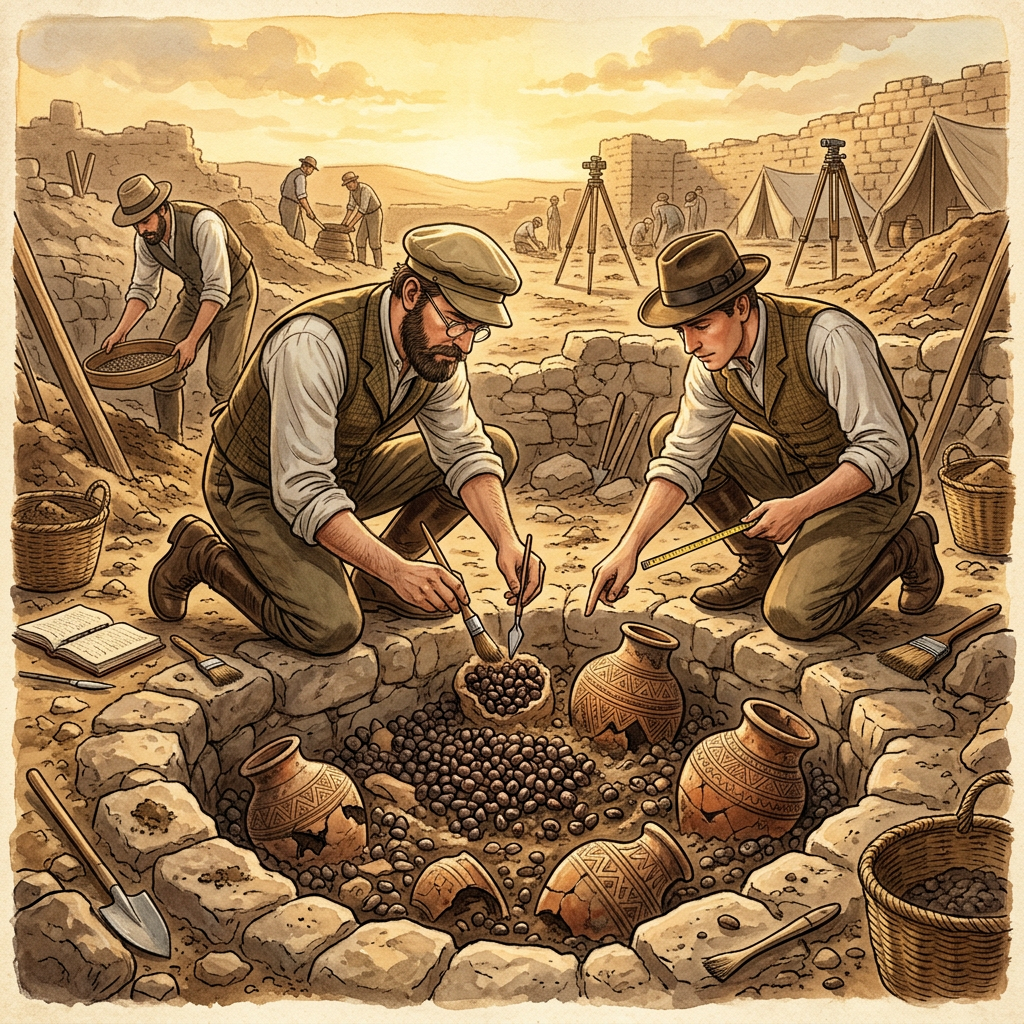
A joint expedition in the Ararat Plain has uncovered a series of stone-lined offering pits filled with fossilized pomegranate seeds and crushed floral remains. Dated to the early 1st millennium BCE, these pits were situated at the entrance of a monumental temple complex. The strategic placement of the seeds, which have long been symbols of fertility and eternal life in the region, suggests they were part of a dedicated spring rebirth festival that preceded later recorded traditions.
Alongside the organic remains, archaeologists found miniature ceramic jugs that once held aromatic oils and wine. Experts suggest that these ceremonial deposits were made by local worshippers to ensure the return of the rains and the success of the planting season. The find is being hailed as a significant breakthrough in understanding the ritual landscape of the Urartian period and the enduring cultural significance of the pomegranate in Armenian heritage.