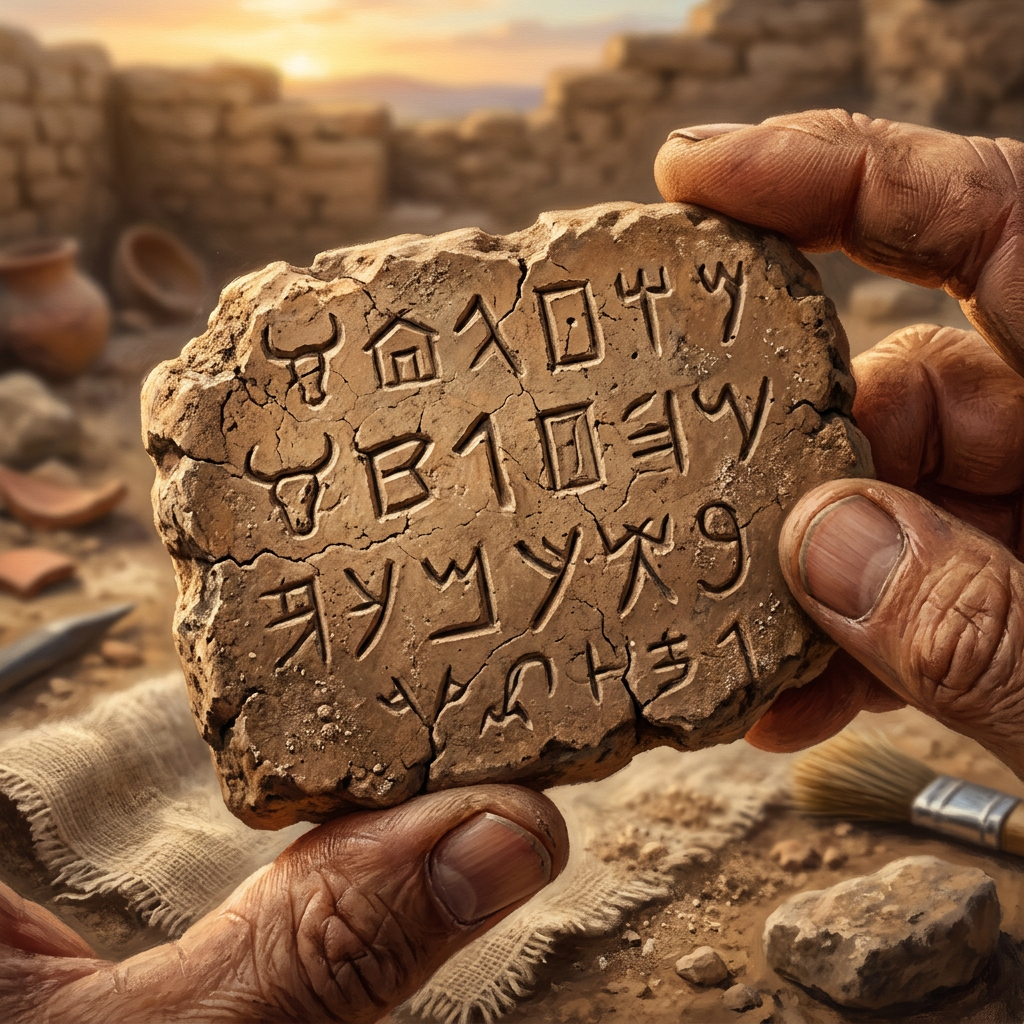
A joint research mission has revealed a Canaanite scriptorium dating to the Late Bronze Age at the site of Tel Lachish. The room contains numerous clay tablets and ostraca featuring some of the earliest known examples of alphabetical writing, predating the formalization of the Phoenician script. These inscriptions appear to be administrative records for a local temple, detailing offerings of oil and grain.
Archaeologists emphasize that this find bridges the gap between Egyptian hieroglyphics and later Semitic alphabets. The scriptorium was found in a remarkably stable stratigraphic layer, untouched by later Iron Age construction. Along with the writing materials, researchers found bone styluses and small jars of mineral-based ink, providing a complete picture of ancient scribal practices in the Levant during the mid-second millennium BCE.