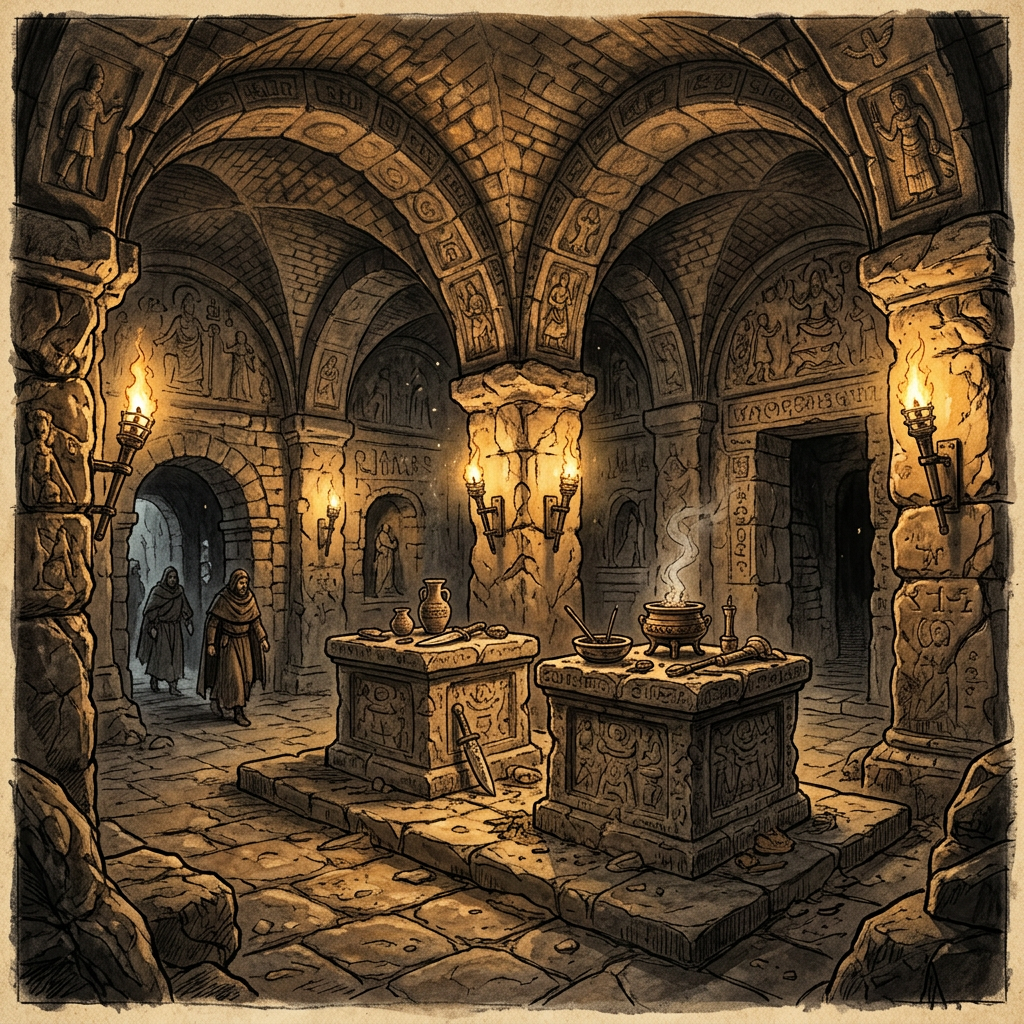
Archaeologists in the Khatlon Province of Tajikistan have unearthed a rare subterranean temple dating back to the late Kushan Empire. The temple is unique for its architecture, featuring a central vaulted hall supported by four square pillars and two perfectly preserved stone fire altars, suggesting a syncretic blend of Buddhist and Zoroastrian rituals.
The discovery includes a cache of copper coins and silk fragments that indicate the temple was a significant stop on a secondary branch of the Silk Road. Scholars suggest that the subterranean nature of the temple may have been a response to the shifting political landscape of the 3rd century, allowing devotees to practice their faith in a protected, climate-controlled environment away from the nomadic raids common in the region at the time.