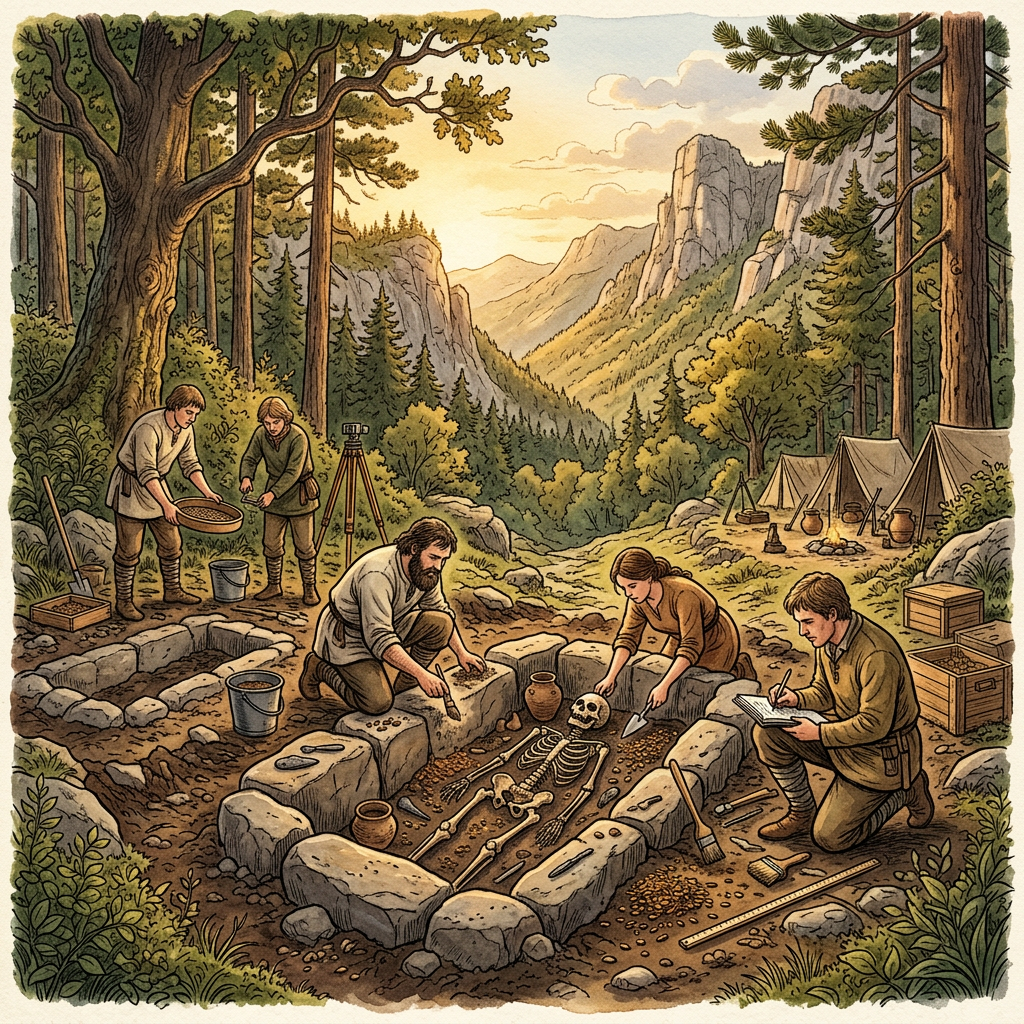
Genetic researchers have analyzed skeletal remains from the Balkans-Carpathian border, dating back eight millennia, to uncover a unique evolutionary shift in the early Neolithic population. The study, published in Nature Ecology & Evolution, reveals a specific genetic divergence associated with the processing of complex carbohydrates and high-fiber grains, which became staple foods following the transition from foraging to sedentary farming.
This adaptation suggests that the Neolithic Revolution was not just a cultural or technological shift but a biological one, as the human gut and metabolic systems evolved to handle the new dietary load. The findings provide a critical link in understanding how early European populations adapted to the nutritional challenges posed by the first permanent agricultural settlements in the region.