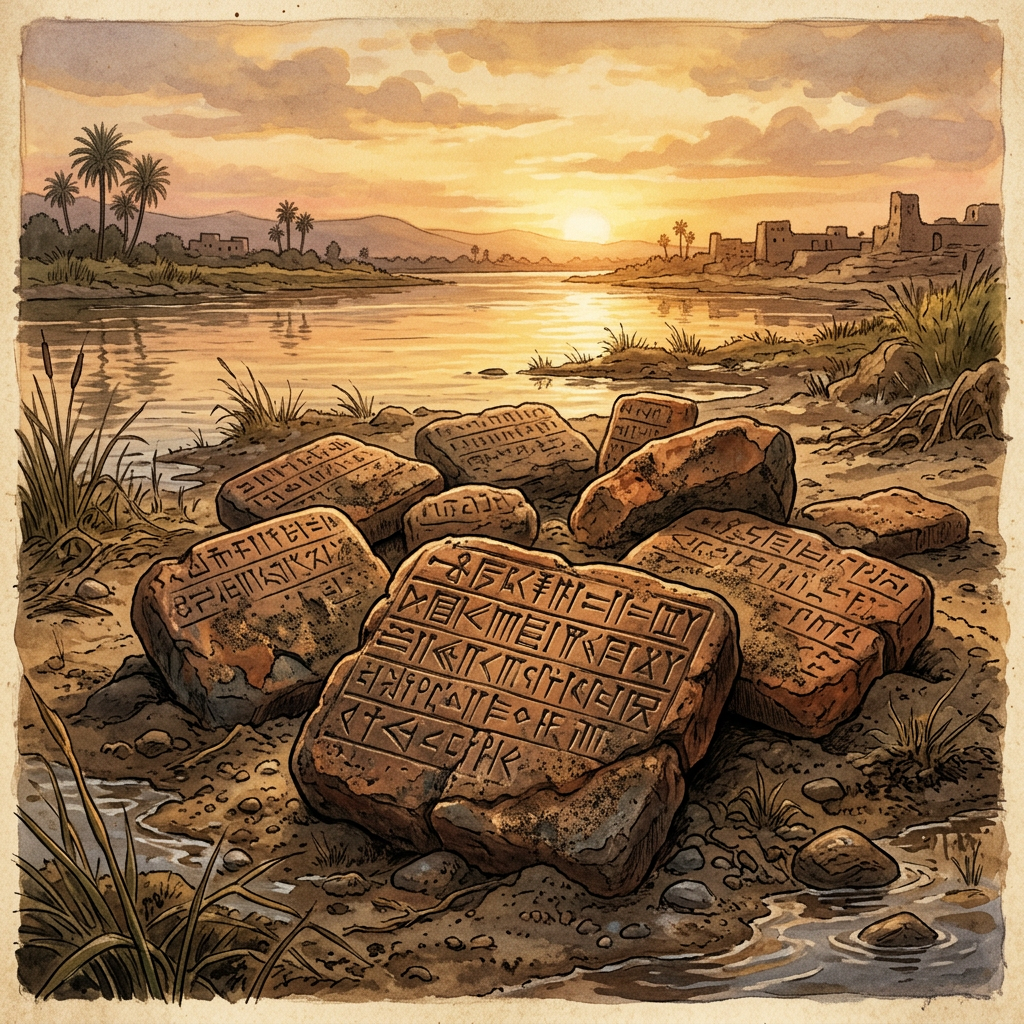
Archaeologists excavating a site in the Ghaggar-Hakra river basin have unearthed a series of terracotta tablets inscribed in an early Brahmi variant. These texts, dubbed the Varna-Sutra, offer a revolutionary perspective on early Vedic social structures, suggesting that the concept of social roles was originally rooted in a philosophy of inherent aptitude (Svabhava) rather than rigid hereditary systems. The inscriptions describe a dynamic society where ethical conduct and intellectual pursuit determined one's standing.
Scholars from the Archaeological Survey of India (ASI) state that these findings provide a missing link between the late Rigvedic period and the more structured Upanishadic era. The tablets emphasize that wisdom and self-restraint are the true markers of a 'dvija' (twice-born), potentially reshaping contemporary academic understanding of the historical evolution of Sanatan Dharma and its ancient social ethics.