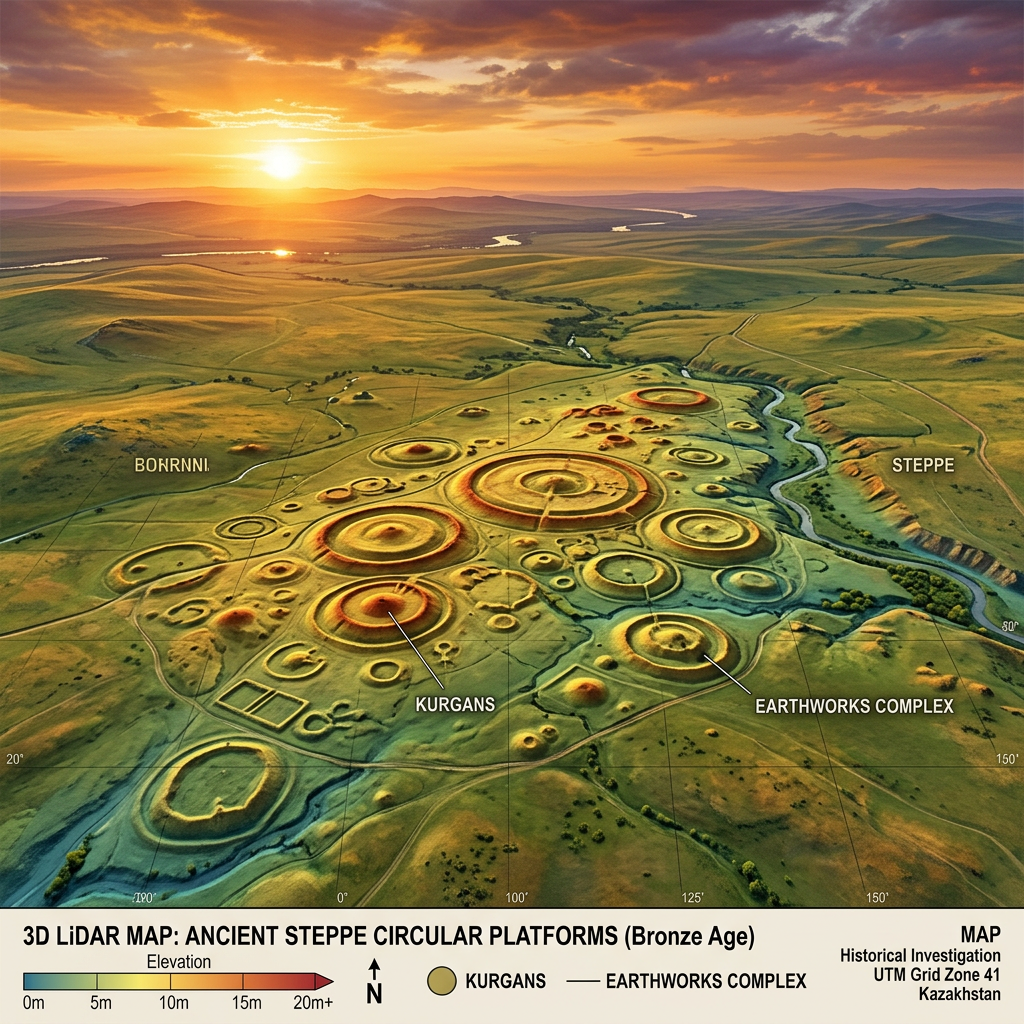
Advanced LiDAR mapping across the Hortobágy National Park in Hungary has revealed a sprawling network of previously invisible earthen platforms surrounding ancient burial mounds, or kurgans. These platforms, some spanning over 100 meters in diameter, are perfectly aligned with the vernal and autumnal equinoxes. Soil core samples have detected high concentrations of phosphate, indicating the historical presence of massive numbers of horses and cattle during concentrated periods.
Archaeologists suggest these sites were the central hubs for prehistoric nomadic sporting festivals, where tribes from across the Great Hungarian Plain would gather for equestrian competitions and ritual animal sacrifices. These findings provide a prehistoric precedent for the famous 'Puszta' horsemanship festivals that continue to be a cornerstone of Hungarian cultural heritage. The scale of the platforms suggests that these ancient gatherings could accommodate thousands of participants, serving as vital social and political magnets for Iron Age societies.